Ad. When you purchase through links we provide, we may receive an affiliate commission. Here's how it works.
Remove Pet Stains From Carpet: Fast 6-Step Fix (2026)
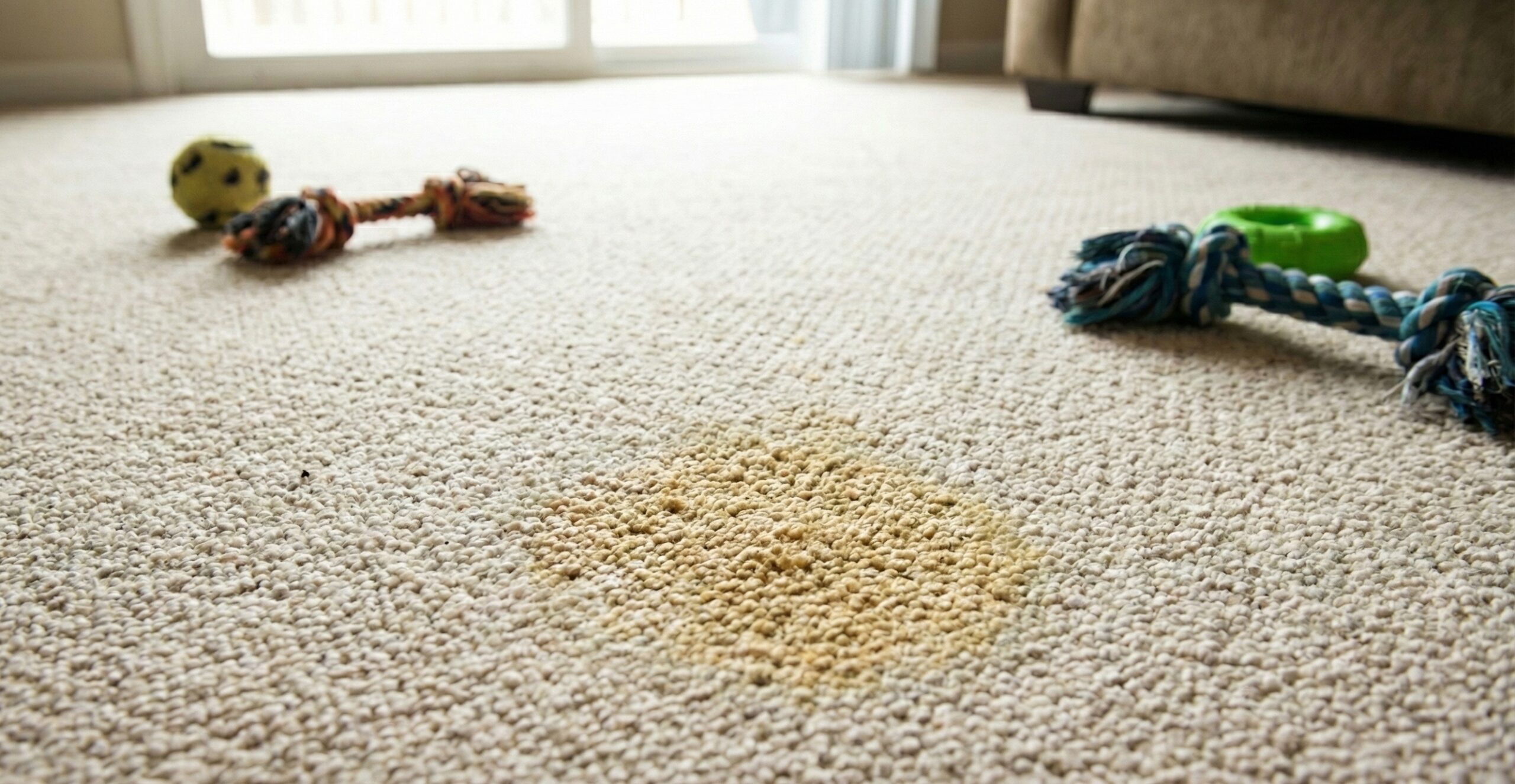
Remove pet stains from carpet by pulling the liquid out first, then cleaning, then treating the odor source (enzymes), and finally drying completely. This order matters more than any “magic” ingredient.
If you want the broader floor-care playbook (tools, routines, and what actually helps), start from our Total Floor Care hub
Quick Answer
To remove pet stains from carpet, blot + rinse + extract (repeat), then apply an enzyme cleaner long enough to work, and dry the area fully with airflow.
This is the most reliable way to remove dog urine smell, prevent reappearing rings, and avoid “it smells again when it’s humid.”
Key Takeaways
- Liquid removal is 80% of the win. Blotting/extraction beats scrubbing.
- Rinse + extract removes the residue that keeps odors coming back.
- Enzymes are the “odor step.” Use them for urine (fresh and dried).
- Drying is part of cleaning. If it stays damp, odor and stains can wick back.
Choose in 60 Seconds
Use this cheat-sheet and you’ll cover most real-life messes:
- Fresh urine: Blot → Rinse → Blot/Extract → Enzyme → Dry
- Dried urine (yellow ring): Lightly re-wet → Enzyme (full dwell time) → Extract → Dry → Re-check tomorrow
- Poop/vomit: Lift solids → Mild soap clean → Rinse/Extract → Dry
- Smell returns after 24h: Pad/backing is still damp or contaminated → Repeat enzyme + stronger drying (or consider pro extraction).
What You’ll Need
- White paper towels or clean white cloths
- Spray bottle with cool-to-lukewarm water
- Mild liquid dish soap (no bleach)
- Enzymatic pet stain + odor remover (follow label dwell time)
- A fan (or dehumidifier) for faster drying
- Optional but helpful: wet/dry vacuum or carpet extractor (learn the differences in our wet/dry vacuum technology guide)
How to Remove Pet Stains from Carpet (Step-by-Step)
Step 0: Identify what you’re dealing with (30 seconds)
Before you start, do a quick check:
- Fresh + wet? Prioritize blotting/extraction immediately.
- Dried + crusty? You’ll need rehydration (light water mist) to lift it.
- Strong odor, little visible stain? Treat as urine that reached backing/pad.
If it’s a recurring spot, consider locating the full area first (UV lights can help, but they’re not perfect—some carpets fluoresce on their own).
Step 1: Blot and extract (first 5 minutes)
This is the part most people rush. Don’t.
- Blot, don’t rub.
Press down firmly with towels. Replace and repeat until you stop pulling moisture. - Rinse lightly (don’t soak).
Mist plain water over the area so it becomes damp, not dripping. - Blot/extract again.
Repeat “rinse → blot/extract” 2–4 cycles. This removes contamination instead of spreading it.
Pro tip (homeowner version):
Put a folded towel on the spot and stand on it for 10–20 seconds. Pressure helps pull liquid out of the carpet base.
Step 2: Remove the visible stain (fresh or dried)
This is where you actually clean the fibers—after you’ve pulled most liquid out.
- Mix a gentle cleaner: 1/4 tsp dish soap + 1 cup lukewarm water
Use a clean cloth, lightly dampened. Dab from outside in. - Blot and repeat until you see less transfer to the cloth.
- Rinse again with clean water
Mist lightly, then blot/extract.
This is important because leftover soap can attract dirt and create a “shadow stain” later.
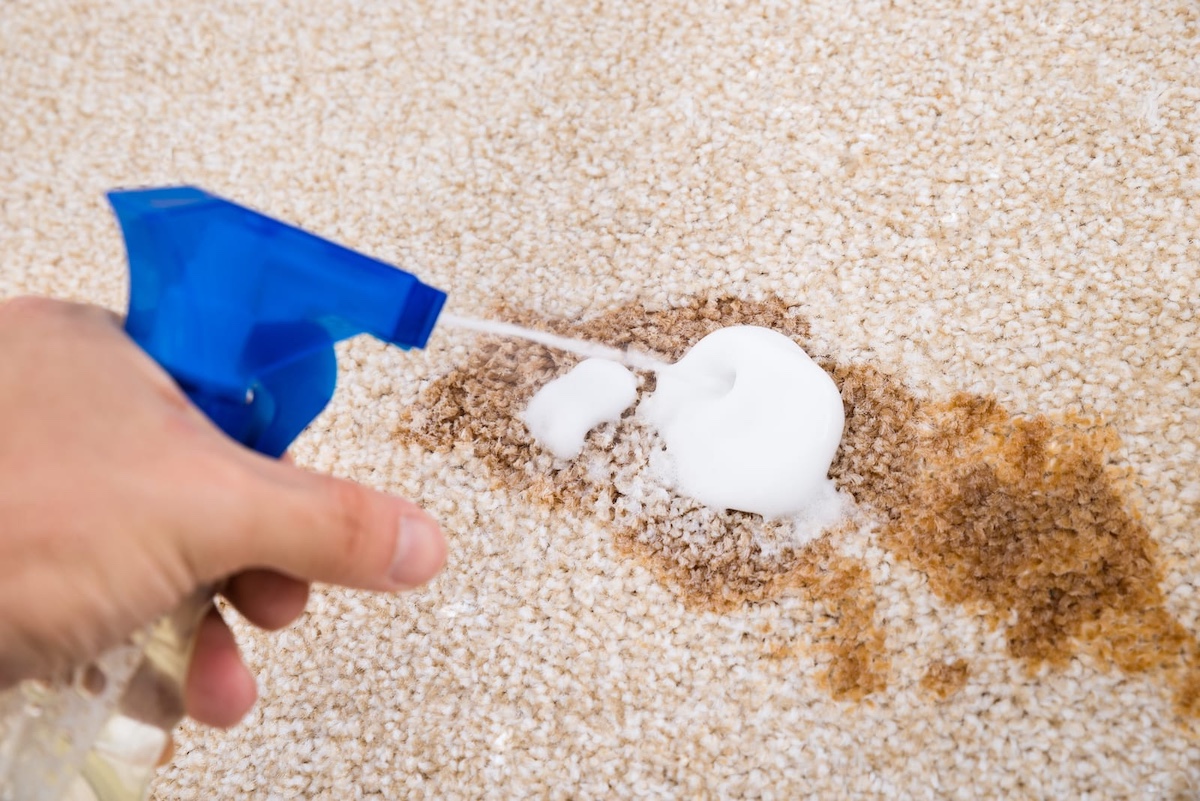
Step 3: The odor step (enzymes) — how to remove dog urine smell
If you want to remove dog urine smell, treat it like a depth problem, not a surface problem.
- Apply enzyme cleaner to the full depth of the stain
Urine spreads. The visible circle is often smaller than the real contamination zone. Treat slightly beyond the edges. - Give it the full dwell time
Enzymes need time while the area stays damp. Follow the label. (If it dries too quickly, you can cover with plastic wrap during the dwell time.) - Blot/extract after dwell time
Then move straight into drying.
If you want a reputable “baseline approach” reference for DIY options (like baking soda as a backup), see AKC’s overview of removing dog urine stains and odor – then still come back to the extraction + drying steps here (they’re the difference-maker).
Step 4: Dry completely (this is not optional)
Odor that “comes back” is often moisture that never left.
- Airflow for 2–6 hours (longer if humid)
Aim a fan across the spot. If you have a dehumidifier, run it nearby. - Check dryness in the backing zone
Press a dry paper towel firmly into the area. If it picks up moisture, keep drying.
Target: It should be fully dry within 24 hours to reduce odor reactivation and mildew risk.
Step 5: Re-check tomorrow for wicking (24 hours)
Wicking is when residue comes back up from the backing/pad.
- If a ring returns:
- Repeat the enzyme step
- Extract again (or do multiple heavy blot cycles)
- Dry more aggressively
If it returns repeatedly, the pad may be contaminated.
Do this / Avoid that
| Situation | Do this | Avoid |
|---|---|---|
| Fresh urine | Blot → rinse/extract → enzyme → dry | Rubbing or Scrubbing |
| Dried urine ring | Re-wet lightly → enzyme → extract → dry | Steam/heat |
| Vomit/poop | Lift solids → mild soap → rinse/extract | Smearing sideways |
| Odor returns | Repeat enzyme + extraction; check pad | Perfume-only sprays |
| Delicate carpet | Minimal water, gentle products, patch test | Strong oxidizers (TBD) |
TBD = check your carpet manufacturer guidance if you’re unsure (especially wool or specialty dyes).
Why This Works
- Blotting/extraction removes contamination. Scrubbing pushes it deeper.
- Rinsing reduces residues. Residue is what “re-activates” smell later.
- Enzymes target organic sources. That’s why they’re used for urine-based odors.
- Drying stops wicking. Moisture is a transport system for what’s left underneath.
Carpet organizations warn that urine left in carpet can damage layers and backing over time.
That’s one reason the “extract + dry” part matters, not just the “clean” part – see Carpet and Rug Institute guidance on pet urine and carpet.
Common Mistakes to Avoid
- Using too much water once
- Over-wetting without extraction pushes urine into padding and creates a bigger problem.
- Skipping the rinse after soap
- Soap film attracts dirt and makes the area look “stained” again.
- Using heat (steam) on urine
- Heat can make odors harder to remove and may set some discoloration.
- Assuming “no stain = no problem”
- You can have strong odor with minimal visible discoloration if urine reached the backing/pad.
- Trying multiple products in a row without rinsing
- Layering chemicals can reduce effectiveness—and in some cases can be unsafe.
- The biggest mistake is cleaning reactively.
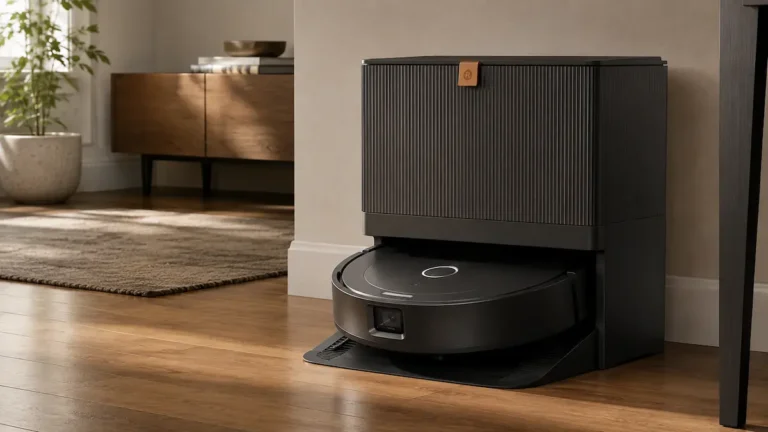
- A robot vacuum running on a daily schedule keeps pet hair from grinding deep into fibers before it becomes a stain problem.
Our best robot vacuums guide covers which ones are built for pet households.
- A robot vacuum running on a daily schedule keeps pet hair from grinding deep into fibers before it becomes a stain problem.
Safety & Maintenance Tips
- Ventilate (especially with sprays). Wear gloves if you have sensitive skin.
- Never mix bleach with cleaners that may contain ammonia or acids. If you’re not sure, don’t mix—use one product at a time.
- Patch test any cleaner in a closet corner first.
- Keep kids and pets off the area until it’s fully dry.
- Never mix bleach with other cleaners. Mixing bleach with ammonia can release toxic gases – here’s why mixing bleach with other cleaners is dangerous
Maintenance that prevents repeat problems:
- Daily surface pickup reduces re-soiling and odors. If you have pets, a robot that handles fur well helps keep carpet fibers from becoming “sticky.”
See our best robot vacuum for pet hair guide. - If you have tick carpet, our guide on the best robot vacuum for thick carpet will for sure be useful.
- If you run robots while working or sleeping, our quietest robot vacuum guide helps you choose a low-noise model that still keeps up with daily debris.
- For sensitive homes, odor cleanup often kicks up particles – our best air purifier for pets covers the right units for pet households, and our air purifier and allergies guide explains what to look for during high-dust tasks.
Variations / Alternatives
If you don’t have an extractor
You can still remove pet stains effectively, but you need more cycles:
- Do 4–6 rinse/blot cycles instead of 2–4.
- Use pressure: folded towel + standing for 20 seconds.
If the stain is old and yellow
Old urine can leave discoloration even after odor is removed.
- Try enzymes first (odor source).
- If discoloration remains, you may need a targeted approach (some carpets tolerate mild oxidizers, others don’t—patch test is mandatory).
If uncertain, mark TBD and check carpet material/dye stability.
If you suspect the pad is contaminated
Clues:
- Odor returns strongly after drying
- The area feels “spongy” or stays damp longer
- You’ve had repeated accidents in the same spot
At that point, surface cleaning may not fully solve it.
A professional cleaner can often flush/extract deeper.
In severe cases, pad replacement may be the realistic fix.
If the accident happened on hardwood (not carpet)
Don’t treat it like carpet – wood needs different products and moisture limits.
Use our hardwood floor cleaning guide for wood-safe options.
How We Developed This Guide
We built this process from carpet-industry guidance on urine treatment (blotting, mild detergent ratios, careful drying), restoration-industry notes on odor re-activation in heat/humidity, and practical homeowner protocols for dried urine removal.
For carpet-care best practices and expectations around odor/stain issues, we referenced IICRC’s Carpet Topics tip sheet.
For our full method and scoring rubric, see our review methodology.
Frequently Asked Questions (FAQs)
Fastest is blot + rinse + extract (repeat) followed by enzymes and airflow drying. Rushing straight to “cleaning” usually makes the spot larger.
Lightly re-wet the area, then apply an enzyme cleaner for the full dwell time.
Extract/blot and dry.
Dried spots often need two full rounds to fully remove dog pee stains and lingering odor.
Humidity can make leftover residue more noticeable, especially if moisture remains in carpet backing or pad. That’s why complete drying is part of how you remove dog urine smell for good.
They can help for light odor and surface residue, but they are not a guaranteed fix if urine soaked into backing/padding.
Enzymes + extraction is usually more reliable for deeper issues.
It can help if it extracts well.
Use minimal water, do extra “dry passes,” and dry with airflow afterward.
If it leaves the carpet damp, odor can return.
Once you fully remove odor, it’s less likely they’ll re-mark.
Also block access while it dries and consider training/behavior adjustments.
(If you want a baseline clean that reduces triggers like lingering dander and hair, a pet-focused robot routine helps—see our pet hair robot guide linked above.)
Call a pro if:
- The odor persists after two enzyme treatments
- Accidents were repeated in the same spot
- You suspect padding/subfloor involvement
- The stained area is large or near seams
Conclusion
To remove pet stains from carpet reliably, focus on the correct order: remove liquid, then clean, then use enzymes to eliminate the source, and dry completely.
That combination helps you remove pet stains, prevents wicking rings, and is the best path to truly remove dog urine smell instead of masking it.
Disclaimer: Always check your carpet manufacturer’s warranty and cleaning codes before applying chemical treatments. Different dyes and fibers react differently. When in doubt, test a small inconspicuous area first.