Ad. When you purchase through links we provide, we may receive an affiliate commission. Here's how it works.
Smart Home Automation: Real-World Solutions for Efficiency & Comfort
Beyond Voice Control
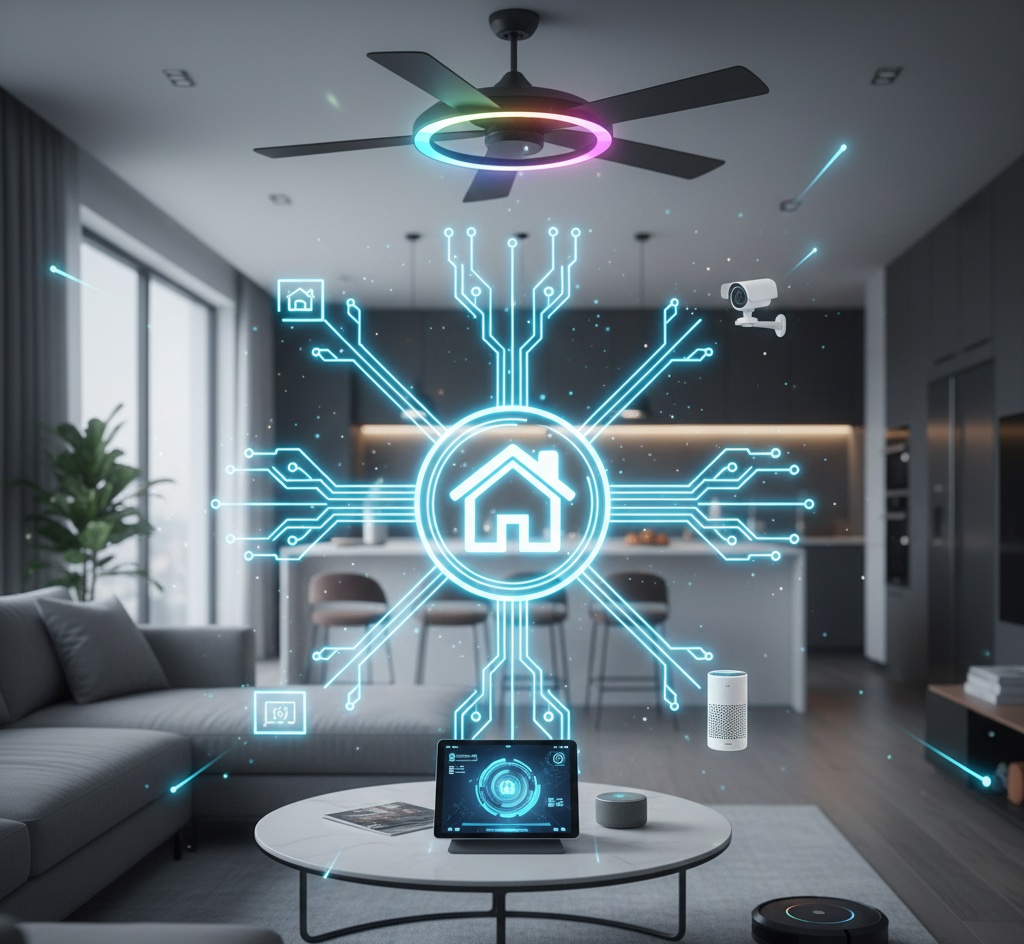
Welcome to Smart Home Automation, where we move past the novelty of turning on a light bulb with your voice and focus on tangible, data-driven value.
A truly smart home isn't just connected; it's efficient, responsive, and proactive.
It works for you, lowering your bills and improving your well-being without you lifting a finger.
Smart Home Automation is one of three core sections on EverydayHomeComfort, alongside floor care and home climate.
This section is intended for homeowners wanting to utilize technology to solve actual problems.
We look into how smart home automation systems can actively fight against climate change through optimizing energy consumption,
how intelligent lighting can support your biology, and how interconnected devices can speed up your daily chores.
Who This Section Is For

Wellness Seekers
We explain the science of circadian lighting—programming your smart home automation hub to shift light color temperatures from cool blue in the morning to warm amber at night, supporting your natural sleep-wake cycle.
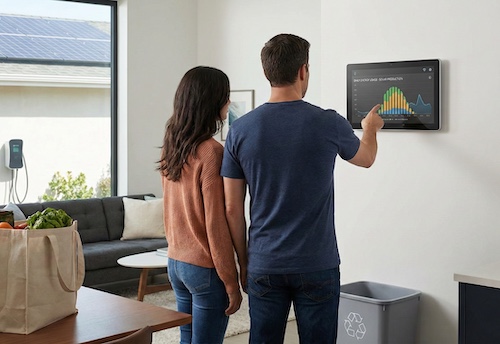
Energy-Conscious Homeowners
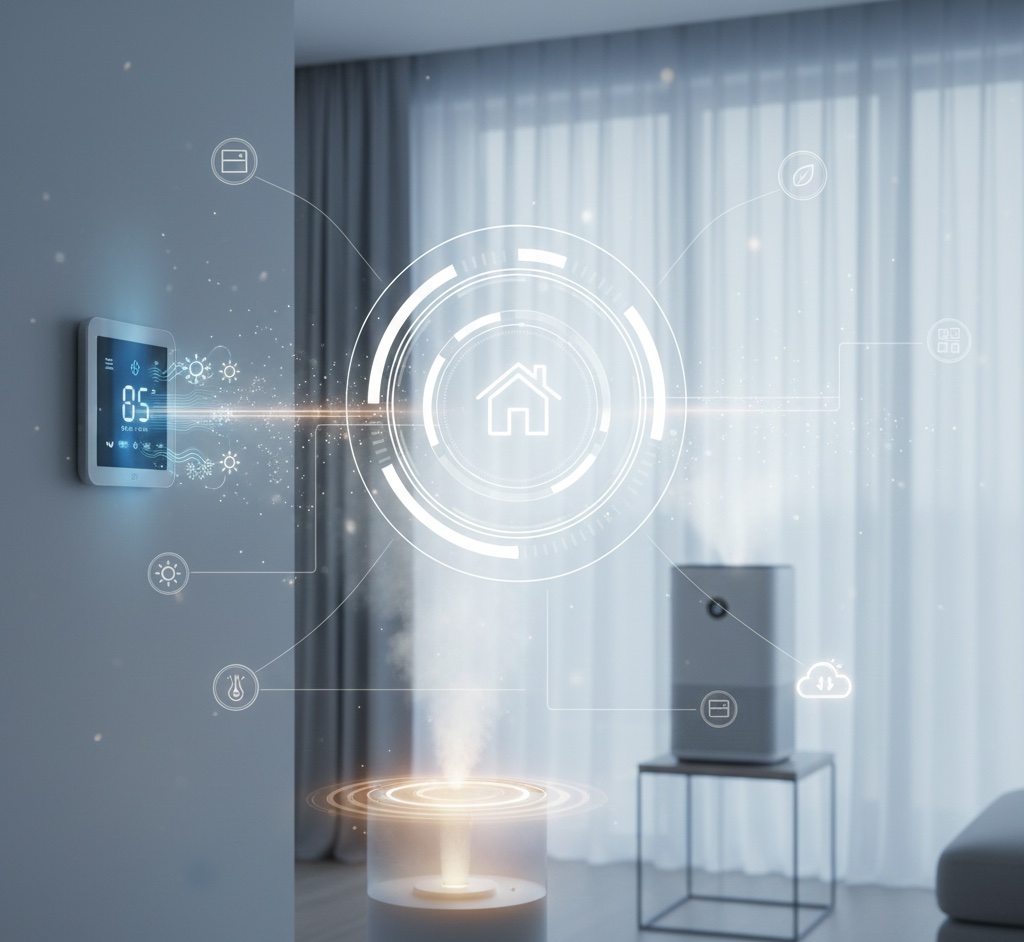
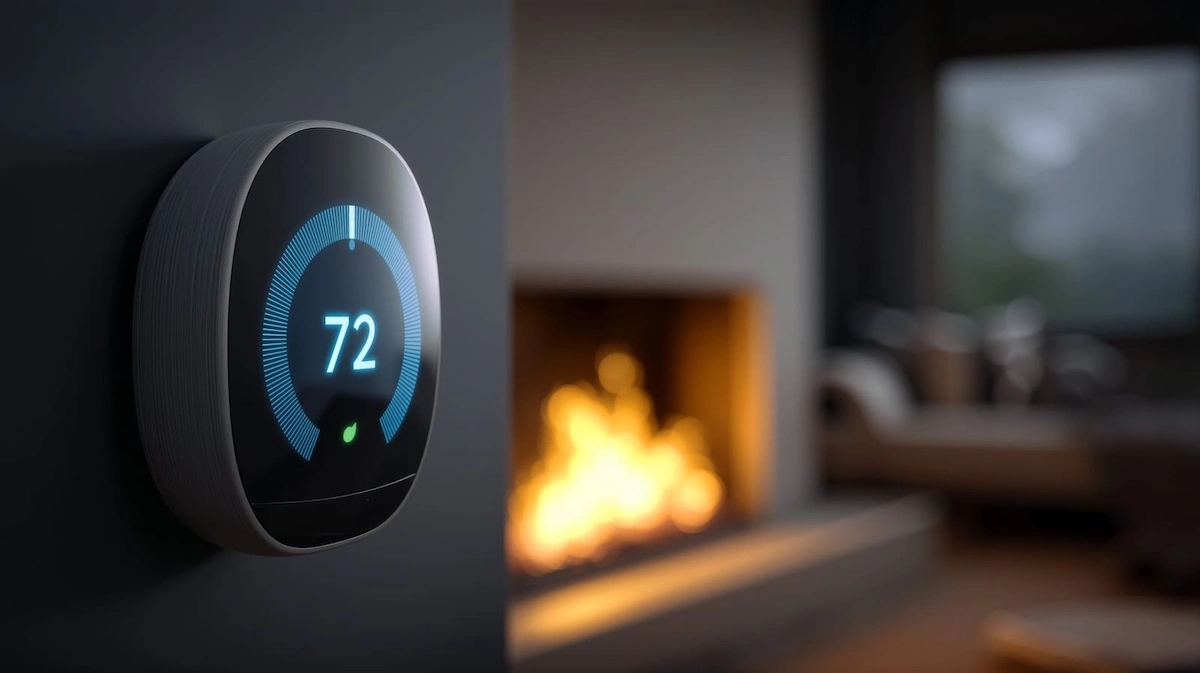
If you want to see a measurable drop in utility bills, we have the information on how smart home automation devices, like learning thermostats and energy-monitoring plugs, can save you 10-15% annually on heating and cooling.
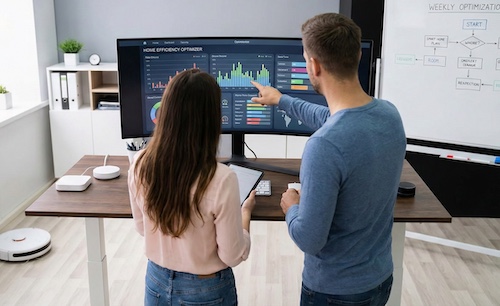
Efficiency Optimizers
For those tired of wondering "is the laundry done?", we show you how to use smart plugs with power monitoring to send a notification to your phone the exact moment the washing machine stops drawing power.
The Problems We Solve
We cut through the noise of "gadgets" to find the tools. We answer the hard questions, such as:
- Which Smart Home Automation Hub (like Homey Pro or Hubitat) will keep your data local and private?
- How can you set up a routine to automatically shut down energy vampires (like game consoles and coffee makers) when you leave the house?
By focusing on actionable automations, we help you build a home that is not only safer and healthier but significantly more sustainable.
Our Articles



Frequently Asked Questions (FAQs)
The biggest savings come from smart thermostats (like Ecobee or Nest) and smart plugs.
Thermostats: They learn your schedule and occupancy, automatically reducing heating/cooling when you're away or asleep.
Several studies have shown this alone can save 10-15% on HVAC costs annually.
Energy Monitoring: Smart plugs with energy monitoring, such as Shelly or TP-Link Kasa, let you identify "energy vampires" - devices that draw power even when they're off.
You can automate these plugs to cut power completely at night or when you leave for work.
Circadian lighting follows the natural course of the sun to help your body's rhythm.
Morning: By programming smart bulbs (like Philips Hue or LIFX) with cool, bright white light (5000K-6500K), it suppresses melatonin and helps wake you up.
Evening: Allow them to switch automatically to warm, dim amber light (2700K or lower) after sunset to stimulate your melatonin production and help you fall asleep more quickly and sleep better.
That depends on the complexity of your system.
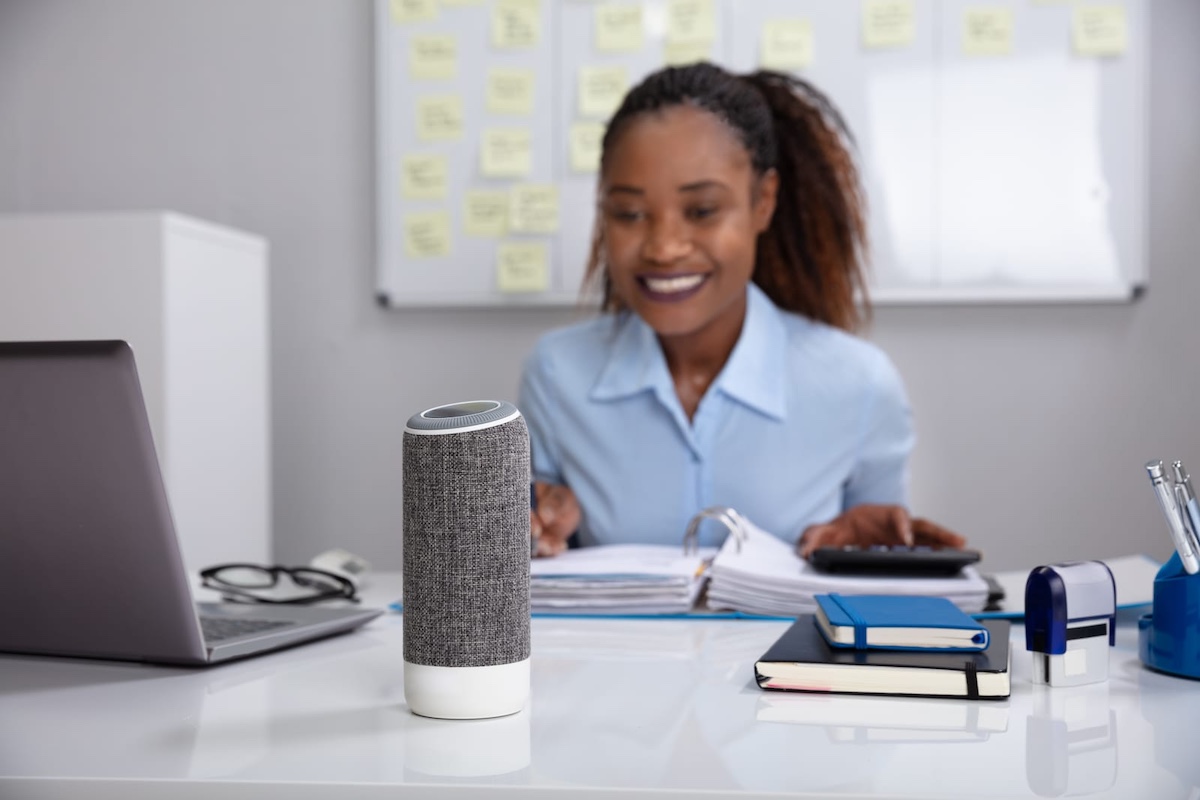
No Hub (Wi-Fi): If you only have a few smart bulbs and a plug, Wi-Fi devices controlled by Alexa or Google Home work well.
Hub Recommended (Zigbee/Z-Wave/Matter): With a growing number of additional devices (sensors, locks, switches) a dedicated smart home automation hub such as Aeotec SmartThings, Hubitat, or Homey Pro becomes quite necessary.
It keeps your devices off your Wi-Fi network, allowing for local processing (faster and private), reducing network congestion, and providing complex automations that continue to work during internet outages.Th
This is a classic "power user" automation.
The Setup: Connect your "dumb" washing machine to a smart plug with energy monitoring.
The Automation: Create a routine in your hub/app: "When power falls below 5 Watts for over 2 minutes, send a notification to my phone."
The Result: You are alerted the moment the cycle has finished, eliminating the possibility of wet clothes sitting in the washer for long hours.
Yes, by optimizing demand.
How to stop climate change at home starts with reducing waste.
Smart homes can participate in "demand response" programs where your thermostat automatically pre-cools your home before peak hours (when the grid is dirty and expensive) and eases off during the peak.
Automated blinds can close to block summer heat, reducing AC load.
Every kilowatt-hour you don't use is carbon you don't emit.
Explore our other categories