Ad. When you purchase through links we provide, we may receive an affiliate commission. Here's how it works.
Best Budget Robot Vacuum 2026: Top Picks Under $400
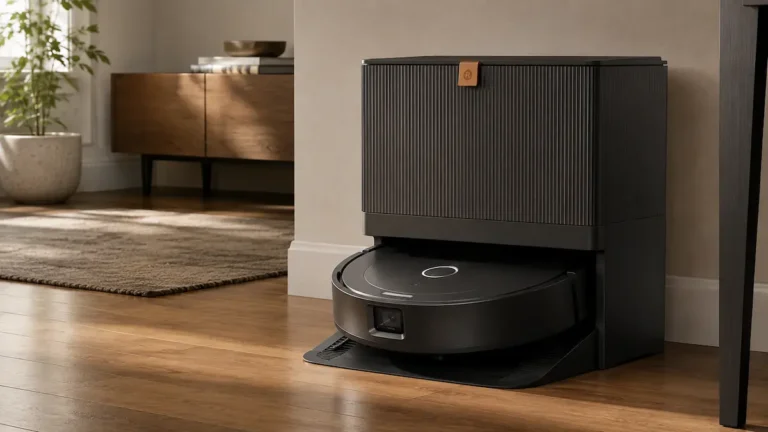
TL;DR: The best budget robot vacuum for most busy households in 2026 is the [AAWP link B0DZXG1BYQ: Ecovacs Deebot N20e+]: LiDAR mapping, 10,000 Pa suction (manufacturer claim), a tangle-free brush, and a bagless self-empty base, so you get automated floor cleaning without flagship complexity.
Quick Picks: Top Recommendations
- Ecovacs Deebot N20e+: best overall; LiDAR navigation, 10,000 Pa suction (manufacturer claim), and a bagless self-empty base, ideal for most 1 to 3 bedroom homes
- Dreame D20 Air Plus: best suction on a budget; 20,000 Pa (manufacturer claim), carpet boost, and a self-empty base that holds up to 120 days of debris
- Roborock Q7 M5+: best for hard floors; LiDAR navigation + 10,000 Pa suction + self-empty dock around $250
- Eufy RoboVac 11S Max: best ultra-budget; slim 2.85″ profile, whisper-quiet, under $150
- Tikom L8000 Plus: best hands-free; LiDAR + self-emptying dock under $300
Key Takeaways
- The best budget robot vacuums under $300 now deliver 80–90% of the performance of $600+ models — the gap closed significantly in the past two years.
- LiDAR navigation is available under $250 in 2026 — it is the single most important spec for consistent whole-home coverage without getting stuck.
- Self-emptying docks are now accessible starting around $250 — meaning 45+ days of truly hands-free cleaning are within reach on a budget.
- Battery life above 150 minutes covers most apartments; homes over 1,500 sq ft need 200+ minutes per cycle to finish on a single charge.
- Suction Pa numbers are unreliable for real-world comparison — brush design and filter quality determine actual performance on hair and fine dust.
The best budget robot vacuum in 2026 doesn’t need to cost $500.
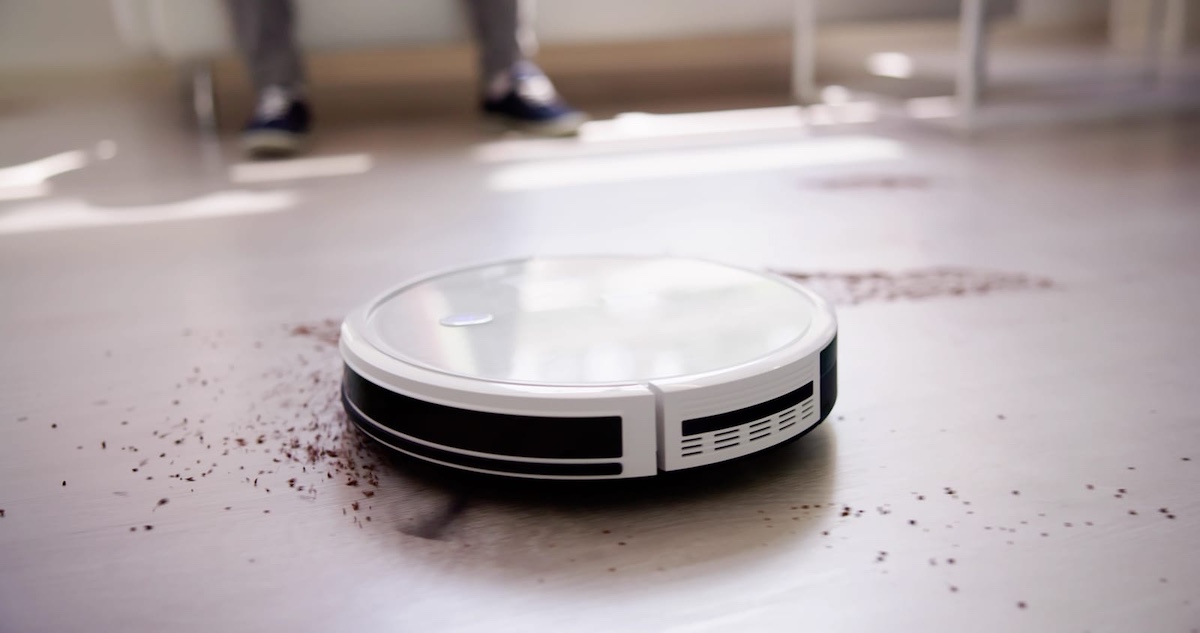
Sub-$300 models now map entire homes, run on a daily schedule, and handle hair, dust, and crumbs without being touched.
Whether you have a 600 sq ft apartment or a 1,800 sq ft house, there’s a budget pick that covers it.
Here’s what actually works — and what to avoid.
What Makes a Great Budget Robot Vacuum?
The gap between budget and premium robot vacuums has closed significantly.
In 2026, you can get LiDAR navigation, room mapping, and strong suction for under $250.
What you give up at this price: AI obstacle avoidance, auto-mop-lifting, and self-cleaning docks.
For a busy professional or parent, that trade-off is almost always worth it.
For your household, the priority checklist looks like this:
- Scheduling — set a daily run and forget it. This is the core reason to buy a robot vacuum at all.
- LiDAR navigation — laser mapping means the robot covers your entire floor systematically.
Without it, you get a random bounce pattern that misses rooms and gets stuck. - Battery life — 150+ minutes for apartments under 1,000 sq ft; 200+ minutes for larger homes.
- Brush design — rubber rollers resist hair tangles; bristle brushes clog within days in a hair-heavy home.
Always check the brush type before buying. - Noise level — under 65 dB means it can run during calls, naps, or family movie time without disruption.
For context on where a robot vacuum fits in your broader floor care routine, our guide on how to clean hardwood floors covers what robots handle well and where you still need manual effort.
If you’re not certain budget is the right constraint yet, our complete robot vacuum buying guide shows exactly where mid-range picks outperform budget ones — and where they don’t.
Browse all our picks at the EverydayHomeComfort vacuum cleaners hub or head to the home page.
Best Budget Robot Vacuum: Our Top 5 Picks Compared
| Product | Best For | Key Spec | Price | Est. Annual Running Cost (estimate) |
|---|---|---|---|---|
| Ecovacs Deebot N20e+ | Best overall | 10,000 Pa + LiDAR + bagless self-empty | ~$400 | ~$45/yr (filters + side brushes; no dock bags) |
| Dreame D20 Air Plus | Best suction | 20,000 Pa + LiDAR + self-empty | ~$230 | ~$11/yr in dust bags, plus filters |
| Roborock Q7 M5+ | Vacuum + mop, self-emptying | 10,000 Pa + LiDAR + self-empty | ~$250 | ~$45/yr (filters + mop pads + dock bags) |
| Eufy RoboVac 11S Max | Ultra-budget | 2,000 Pa, 2.85″ slim | ~$170 | ~$20/yr (filters) |
| Tikom L8000 Plus | Self-emptying | LiDAR + self-empty dock | ~$250 | ~$50/yr (dock bags + filters) |
Ecovacs Deebot N20e+: Best Overall Budget Robot Vacuum

Ecovacs Deebot N20
- 10000Pa Ultra-Strong Suction & Mopping Combo: Experience a new level of clean with this robot vacuum and…
- Bagless, Self-Emptying Base for Ultimate Convenience: Enjoy up to 45 days of truly hands-free cleaning…
- Patented Tangle-Free Roller, The Ultimate Pet Solution: Say goodbye to tedious hair removal from the…
The Ecovacs Deebot N20e+ is a laser-navigating robot vacuum that maps your home on its first run, then empties itself into a bagless base when it docks.
Why we picked it:
- TrueMapping LiDAR maps about 100 m² (roughly 1,075 sq ft) in around 8 minutes, per Ecovacs, and the app gives you no-go zones, room-by-room schedules, and suction and water-flow control.
- Ecovacs rates it at 10,000 Pa of suction (manufacturer claim) with automatic carpet boost, the highest figure in this lineup alongside the Roborock Q7 M5+.
- The bagless base holds up to 45 days of debris (manufacturer claim), so you never buy dock bags.
Real-world scenario: You work from home in a 900 sq ft apartment and there’s always hair on the floor. You set the Deebot N20e+ to run Monday to Friday at 9am. It docks, empties itself, and you deal with the base roughly once a month. The floor is clean before you open your laptop every morning.
The bagless base is the real upgrade here: you get self-emptying with no recurring dock bags to buy, unlike the bag-based docks on the Roborock Q7 M5+ and Tikom L8000 Plus below.
Pros:
- Bagless self-empty base with up to 45 days of capacity (manufacturer claim)
- ZeroTangle 2.0 brush designed to stop pet and long human hair wrapping around the roller
- Up to 300 minutes of runtime from a 5,200 mAh battery (manufacturer claim), enough for larger homes on one charge
- LiDAR mapping with app scheduling, no-go zones, and room order
Cons:
- Ecovacs lists no camera-based obstacle recognition, so pick up cables, socks, and pet waste before a run
- Mopping is basic: there’s no mop lift, so the robot avoids carpet while the mop is attached rather than lifting the pad over it
- The base adds footprint: plan for a spot about 21 inches wide (Amazon listing dimensions)
Best for: Busy professionals and parents in 1 to 3 bedroom homes who want daily automated cleaning and self-emptying without paying for dock bags. If you already own the original Deebot N20, it’s still a solid machine. The N20e+ mainly adds the self-empty base and a higher suction rating.
Dreame D20 Air Plus: Best Suction on a Budget
Sale

Dreame D20 Air Plus
- 𝟭𝟮𝟬 𝗗𝗮𝘆𝘀 𝗼𝗳 𝗛𝗮𝗻𝗱𝘀-𝗳𝗿𝗲𝗲 𝗖𝗼𝗺𝗳𝗼𝗿𝘁: Say goodbye to daily chores. The robot vacuum upgrade 4L sealed…
- 𝟮𝟬,𝟬𝟬𝟬𝗣𝗮 𝗣𝗼𝘄𝗲𝗿𝗳𝘂𝗹 𝗦𝘂𝗰𝘁𝗶𝗼𝗻 & 𝟮𝗫 𝗖𝗹𝗲𝗮𝗻𝗶𝗻𝗴: Leave no dirt behind with an…
- 𝗗𝘂𝗮𝗹 𝗔𝗻𝘁𝗶-𝗧𝗮𝗻𝗴𝗹𝗲 𝗗𝗲𝘀𝗶𝗴𝗻: Specifically design for homes with pets and long hair. The robot vacuum main brush…
$239.99

Check Today’s Price on Amazon
The Dreame D20 Air Plus is a LiDAR budget robot vacuum built around one number: 20,000 Pa of suction (manufacturer claim), the highest rating in this lineup. It also empties itself into a 4 L bagged base.
Why we picked it:
- Dreame rates it at 20,000 Pa (manufacturer claim), double the 10,000 Pa claimed for the Ecovacs Deebot N20e+ above. Ultrasonic sensors detect carpet and boost suction automatically, per Dreame.
- The self-empty base takes a 4 L dust bag that Dreame says lasts up to 120 days, so you change a bag about three times a year.
- Anti-tangle designs on both the main brush and the side brush cut down on hair wrap, which matters if you share your home with a shedding dog or cat.
Real-world scenario: You have a two-bedroom place with area rugs in the living room and a dog that sheds year-round. You schedule the D20 Air Plus for midday while you’re at work. It maps the rooms with LiDAR, ramps up suction when it rolls onto the rugs, and empties into the base when it docks. You swap the dust bag at the start of each season.
The trade-off is runtime: Dreame rates the D20 Air Plus at up to 150 minutes from a 3,200 mAh battery, about half the 300 minutes Ecovacs claims for the N20e+, so it suits apartments and mid-size homes better than large ones.
Pros:
- Highest suction rating in this guide: 20,000 Pa (manufacturer claim), with automatic carpet boost
- Self-empty base with up to 120 days of capacity in a 4 L bag (manufacturer claim)
- Anti-tangle main brush and side brush for pet and long human hair
- LiDAR mapping with no-go zones, schedules, and Alexa, Google Assistant, and Siri support, per Dreame
Cons:
- Shorter runtime than the rest of the top three: up to 150 minutes (manufacturer claim)
- Obstacle detection is a physical bumper only, so pick up cables, socks, and pet toys before a run
- The mop pad doesn’t lift: Dreame advises removing it before cleaning carpet, or setting rugs as no-mop zones in the app
- Small 220 ml onboard dust box (per Dreame), so it relies on the base to empty mid-run in pet-heavy homes
Best for: Pet owners in apartments and mid-size homes with rugs or carpet who want the strongest suction they can get in a budget robot vacuum, plus self-emptying. If you already own the MOVA S10, there’s no reason to replace it: it’s no longer sold on Amazon USA, but it remains a capable robot with a long battery life.
Roborock Q7 M5+: Best for Vacuum + Mop
Sale

Roborock Q7 M5+
- 𝗨𝗽 𝘁𝗼 𝟳-𝟵 𝗪𝗲𝗲𝗸𝘀 𝗛𝗮𝗻𝗱𝘀 𝗙𝗿𝗲𝗲 𝗖𝗹𝗲𝗮𝗻𝗶𝗻𝗴: With a 2.7L sealed dust bag, the RockDock Plus efficiently…
- 𝟭𝟬𝟬𝟬𝟬𝗣𝗮 𝗛𝘆𝗽𝗲𝗿𝗙𝗼𝗿𝗰𝗲 𝗦𝘂𝗰𝘁𝗶𝗼𝗻 𝗣𝗼𝘄𝗲𝗿: High-performance suction lifts pet hair and debris from…
- 𝗗𝘂𝗮𝗹 𝗔𝗻𝘁𝗶-𝗧𝗮𝗻𝗴𝗹𝗲 𝗗𝗲𝘀𝗶𝗴𝗻: Spend less time detangling and more time enjoying your day. The JawScrapers main brush and…
The Roborock Q7 M5+ is a dual-function robot vacuum and mop with a self-emptying dock included, built on Roborock’s trusted navigation platform; the same LiDAR core used in their $500+ flagships.
Why we picked it:
- Vacuums and mops in the same pass: one robot handles both jobs without swapping attachments or buying a second device.
- 10,000 Pa suction with a Dual Anti-Tangle System: strong on both carpet and hard floors, and resists hair wrap far better than typical budget brushes.
- Self-empty dock included, hands-off dust disposal for 7 to 9 weeks at a time; a rare combination with mopping at this price.
Real-world scenario: You have tile in the kitchen and bathroom, hardwood in the living room, and carpet in the bedrooms.
The Q7 M5+ vacuums everything and mops the tile zones only: you configure it once in the app and it handles the routing on every run, then empties its own bin when it’s done.
No second device, no extra steps
If you want a dedicated combo solution, see our full guide to the best vacuum mop combos.
Pros:
- Best app in its price class — room maps, zone cleaning, and mop area control in one place
- 10,000 Pa suction with Dual Anti-Tangle System, strong on carpet and hard floors
- Self-empty dock included, hands-off for 7 to 9 weeks
- Strong parts availability — Roborock has wide retail presence in the US
Cons:
- Mopping is passive drag with no vibrating plate and no auto-wash/dry at the dock — handles light grime, not dried spills
- 270ml water tank limits mopping area to roughly 1,600 sq ft, and it doesn’t refill from the dock — you detach the robot to top it up
- Auto-empty cycle is notably loud, with some owners reporting sudden bursts over 120 dB, and there’s no obstacle avoidance during the mop pass
Best for: Households with a mix of hard floors and light carpet that want one robot to vacuum, mop, and empty its own bin without buying separate devices.
Eufy RoboVac 11S Max: Best Ultra-Budget Pick
Sale

Eufy RoboVac 11S Max
- 1. Compact and Quiet Operation: With a slim 2.85″ profile, the eufy robot vacuum operates quietly…
- 2. Extended Cleaning Performance: Capable of running up to 100 minutes on hardwood floors, the eufy…
- 3. Adaptive Suction Power for Different Surfaces: BoostIQ Technology adjusts suction within 1.5s for…
The Eufy RoboVac 11S MAX is a slim, quiet robot vacuum designed for daily maintenance — no app required, no mapping, just clean floors at the press of a button.
Why we picked it:
- 2.85″ height — fits under sofas, beds, and low-clearance furniture that most robot vacuums physically cannot reach.
- Runs at 55 dB — quieter than a normal conversation, so it operates during calls, naps, or movies without anyone noticing.
- Remote control included — no smartphone, no Wi-Fi, no app setup.
Anyone in the household can start it in seconds.
Real-world scenario: You have a 600 sq ft apartment packed with IKEA furniture.
You press the remote before bed.
By the time you’re asleep, it’s done and docked.
Nothing to configure, no cloud dependency, no subscription.
Pros:
- Slimmest profile in this roundup at 2.85″ — reaches under furniture others cannot
- Quietest model here at 55 dB — least disruptive to household routines
- No app means no setup friction — cleaning within minutes of unboxing
- Affordable, widely available replacement parts
Cons:
- No LiDAR — navigates by random bouncing, covering about 65% of your floor per session.
Effective for daily maintenance; not a replacement for occasional manual vacuuming in corners. - No Wi-Fi or app scheduling — must be started manually each time
- 300ml dustbin is small — needs emptying every 1–2 days in homes with pets or long hair
Best for: Small apartments under 700 sq ft, renters, first-time robot vacuum buyers, or anyone who wants reliable daily cleaning without apps, Wi-Fi, or setup overhead.
If you give priority to off-line models, see our guide on the best robot vacuums without Wi-Fi.
If near-silent operation is your top priority across any home size, also see our guide to the best silent robot vacuum cleaners.
Tikom L8000 Plus: Best Budget Pick with Self-Emptying
Sale

Tikom L8000 Plus
- 90-Day Hands-Free Cleaning: The 3L self-emptying dustbag holds weeks of debris, eliminating the need for…
- 6000Pa Ultra-Strong Suction: The L8000 Plus Robot Vacuum effortlessly lifts debris, pet hair, and…
- 360° LiDAR Navigation & Smart Mapping: Equipped with advanced LiDAR technology, the robot vacuum and mop…
$209.99
Check Today’s Price on Amazon
The Tikom L8000 Plus combines LiDAR navigation with a self-emptying dock — a setup that typically costs $500+, available here for under $300.
Why we picked it:
- LiDAR navigation plus a self-emptying dock under $300 — the most hands-off cleaning setup available at this price point.
- 2.5L dock capacity — you empty the dock bag once every 30–45 days instead of emptying the robot every 2–3 days.
- Full app control with room mapping, scheduling, and no-go zones.
Real-world scenario: You have two kids, a dog, and the floor gets dirty every single day.
The Tikom runs every morning while you do the school run, then empties itself when it docks.
The only notification you see is when the dock bag is full — about every six weeks.
You set it up once and forget it exists.
Pros:
- Self-emptying dock under $300 — genuinely rare at this price
- LiDAR navigation for consistent whole-home coverage
- App scheduling with room maps and no-go zones
- 4,000 Pa suction handles everyday household debris on hard floors and carpet
Cons:
- Tikom is a newer brand — customer support is slower than Eufy or Roborock
- Replacement dock bags can be hard to find outside of Amazon
- Brush roll durability is below the standard of Eufy and Roborock — expect earlier replacement
Best for: Busy families with kids or pets who want the most hands-free cleaning experience possible without paying $500+.
Common Mistakes When Buying a Budget Robot Vacuum
- Buying based on Pa suction alone — Pa numbers are marketing specs, not real-world performance indicators.
A 4,000 Pa vacuum with rubber rollers outperforms an 8,000 Pa model with bristle brushes on hair every time.
Check the brush design first. - Skipping LiDAR to save $30 — non-LiDAR vacuums navigate by random bouncing.
They cover 60–70% of your floor per session, miss corners, and get stuck more often.
The $30–$50 premium for LiDAR pays for itself within weeks on a busy schedule. - Ignoring dustbin capacity — bins under 300ml need daily emptying in a busy home.
If you’re buying the best budget robot vacuum to save time, a 300ml bin defeats the entire purpose.
Look for 350ml or more. - Assuming budget models won’t handle carpet — modern budget vacuums clean low-pile (under 10mm) and medium-pile carpet (10–15mm) effectively.
The performance gap only shows on thick carpet above 15mm. - Forgetting annual filter costs — replacement filters cost $15–$25 each and need changing every 2–3 months.
Budget $30–$50 per year before buying, especially for models with proprietary filters.
The EPA notes that indoor air quality is closely tied to effective filtration — a clogged filter is worse than no filter at all.
For a full breakdown of which specs actually predict cleaning performance and which are marketing, our robot vacuum buying guide walks through every category systematically.
What Happens If You Choose Wrong
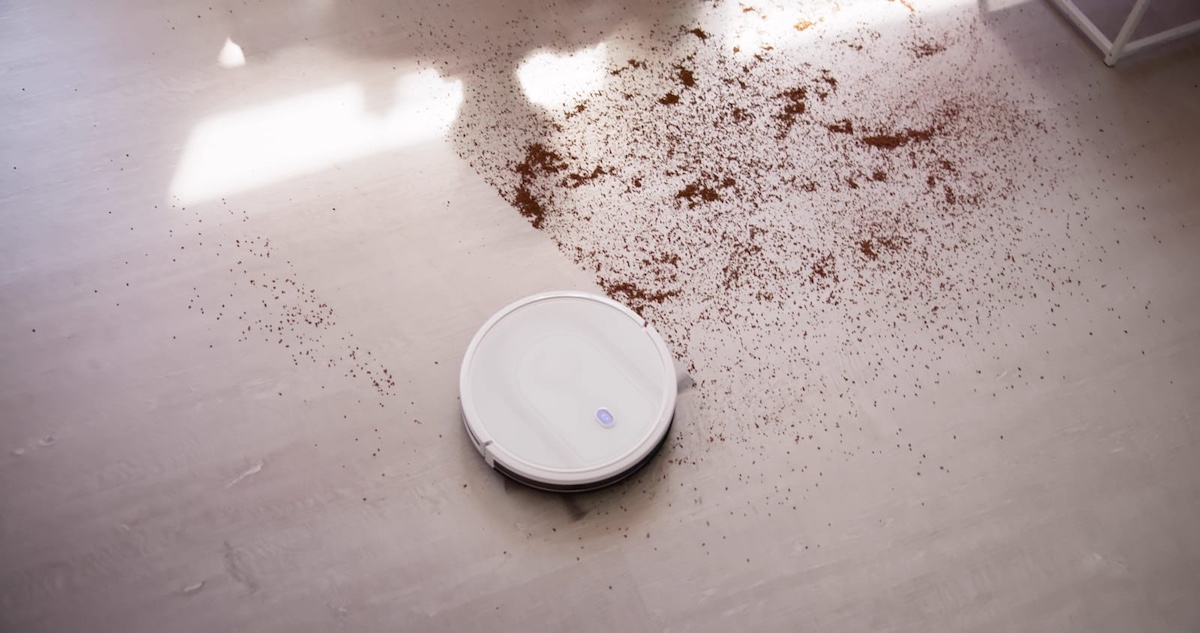
- If you buy based on Pa suction numbers alone → you’ll end up with a vacuum that sounds powerful but clogs on pet hair within weeks and needs daily brush-clearing
- If you skip LiDAR to save money → your robot bounces randomly, misses entire rooms, gets stuck weekly under furniture — and you’re spending more time managing it than it saves you
- If you ignore dustbin size → you’ll empty it daily, which takes more effort than vacuuming manually in the first place
- If you buy from a brand with no parts availability → when the brush or filter wears out at 18 months, you can’t replace it — and you’re buying a new robot
How We Research
We analyzed 25+ best budget robot vacuum models in the under-$300 category, cross-referenced performance data from independent lab tests, and reviewed 400+ verified user reports.
Product selection prioritizes three things for time-poor households: real-world floor coverage on a single charge, total maintenance burden over 12 months, and long-term replacement parts availability.
Models where consumables are hard to source after the first year are ranked down regardless of specs.
For our full method and scoring rubric, see our review methodology.
Update history:
October 5, 2026: Replaced the Ecovacs Deebot N20 with its successor, the Ecovacs Deebot N20e+, as our best overall pick. Replaced the MOVA S10 with the Dreame D20 Air Plus as our best suction pick.
Choose in 60 Seconds
- If your home is under 800 sq ft → buy the Eufy RoboVac 11S Max
Living in a small apartment? We break down exactly which features matter and which you can ignore — see our full best robot vacuum for small apartment guide. - If you want the best all-round budget pick that also empties itself → buy the Ecovacs Deebot N20e+
- If you have rugs or carpet and want the most suction for the money → buy the Dreame D20 Air Plus
- If you have hard floors and want mopping plus self-emptying included → buy the Roborock Q7 M5+
- If you want completely hands-free cleaning without daily emptying → buy the Tikom L8000 Plus
- If you have pets and hard floors → see our dedicated guide to the best robot vacuums for pet hair
- If you need to cover more than one floor → see our guide to robot vacuums for multiple floors
Who This Is For — and Who Should Look Elsewhere
This is for you if:
- You want floors cleaned on a daily schedule without any manual effort
- Your home is under 2,000 sq ft
- You have mostly hard floors, tile, or low-to-medium pile carpet
- You deal with pet hair, kids’ crumbs, or everyday dust buildup
- Your budget is firmly under $300
This is NOT for you if:
- You have deep-pile or shag carpet above 15mm: budget models lose significant suction depth here.
See our roundup of the best robot vacuums for thick carpet instead. - Your home is over 2,000 sq ft: see our best robot vacuum for large house guide instead.
- You need AI obstacle avoidance for a heavily cluttered floor: that feature starts at $450–$500
- You need wet-dry capability for workshop or garage spills: see our wet-dry vacuum analysis for options built for that job
- You are still unsure whether a robot vacuum is the right call at all: read our robot vacuum vs regular vacuum comparison first, then come back.
Frequently Asked Questions
A budget robot vacuum is an autonomous floor-cleaning robot priced under $300.
In 2026, this category includes models with LiDAR navigation, app scheduling, and 4,000–5,000 Pa suction — features that were exclusive to $500+ robots just two years ago.
he trade-off at this price: no AI obstacle avoidance, no self-cleaning mop pads, and lighter build quality.
For most households, three things matter: LiDAR navigation (so the robot maps your rooms and covers the whole floor, not just 65% of it), a dustbin over 350ml (so you’re not emptying it daily), and app scheduling (so it runs automatically while you’re out).
Self-emptying, mopping, and obstacle avoidance are useful additions — not essentials — at this price.
Yes, for low-pile carpet under 10mm and medium-pile carpet between 10–15mm.
Models like the Ecovacs Deebot N20e+ and the Dreame D20 Air Plus, which both boost suction automatically on carpet, perform well on both surfaces. For thick or shag carpet above 15mm, budget vacuums show reduced cleaning depth and occasional navigation difficulty, so a premium model is a better fit for that floor type.
Most budget robot vacuums last 3–5 years with basic maintenance: clean the brush roll weekly, replace the filter every 2–3 months, wipe the sensors monthly.
The main failure point is the battery, which degrades after 300–400 charge cycles — roughly 2–3 years of daily use.
Replacement batteries for Eufy and Roborock models cost $20–$40 and are widely available.
Not necessarily, but it’s the single biggest time-saver. Without one, plan on emptying the dustbin every 2 to 3 days in an average household.
Four of the five picks in this guide include a self-emptying dock: the Ecovacs Deebot N20e+, the Dreame D20 Air Plus, the Roborock Q7 M5+, and the Tikom L8000 Plus. Only the Eufy RoboVac 11S Max leaves the emptying to you. If you don’t want to buy dock bags, choose the N20e+: its bagless base holds up to 45 days of debris, per Ecovacs. The D20 Air Plus has the largest capacity of the four, with a 4 L bag that Dreame says lasts up to 120 days.
For a full comparison of self-emptying options across all price points, see our best self-emptying robot vacuums roundup.
Yes — most models over $180 include Wi-Fi and app scheduling, letting you set daily runs at specific times without being home.
The only exception in this guide is the Eufy RoboVac 11S MAX, which uses a remote control instead of an app.
If automated scheduling is a priority, choose any Wi-Fi-enabled model from this list.
The Eufy RoboVac 11S MAX at ~$140 is the lowest price point we recommend. Below $120, most models lack reliable suction, consistent navigation, or parts availability to justify the purchase.
The 11S MAX covers small apartments effectively, runs quietly, and lasts 3+ years with basic maintenance — a solid entry point to the category.
Summary: Finding the Best Budget Robot Vacuum for Your Home
The best budget robot vacuum for 2026 is the Ecovacs Deebot N20e+ for most buyers: LiDAR navigation, 10,000 Pa suction (manufacturer claim), a tangle-free brush, and a bagless self-empty base.
For homes with rugs and carpet, the Dreame D20 Air Plus carries the highest suction rating in this guide, 20,000 Pa (manufacturer claim), plus a self-empty base. If your home is large, the N20e+ and its longer runtime are the safer pick.
If you want completely hands-free cleaning without daily emptying, the Tikom L8000 Plus is the only sub-$300 model with a self-emptying dock.
For small apartments on a tight budget, the Eufy RoboVac 11S Max at ~$140 keeps it simple and effective.
Still unsure?
Start with the Ecovacs Deebot N20e+. It covers the needs of most households and takes emptying off your to-do list.
Browse everything at the EverydayHomeComfort vacuum cleaners hub.