Ad. When you purchase through links we provide, we may receive an affiliate commission. Here's how it works.
Home Climate Control: Data-Driven Air Quality Management
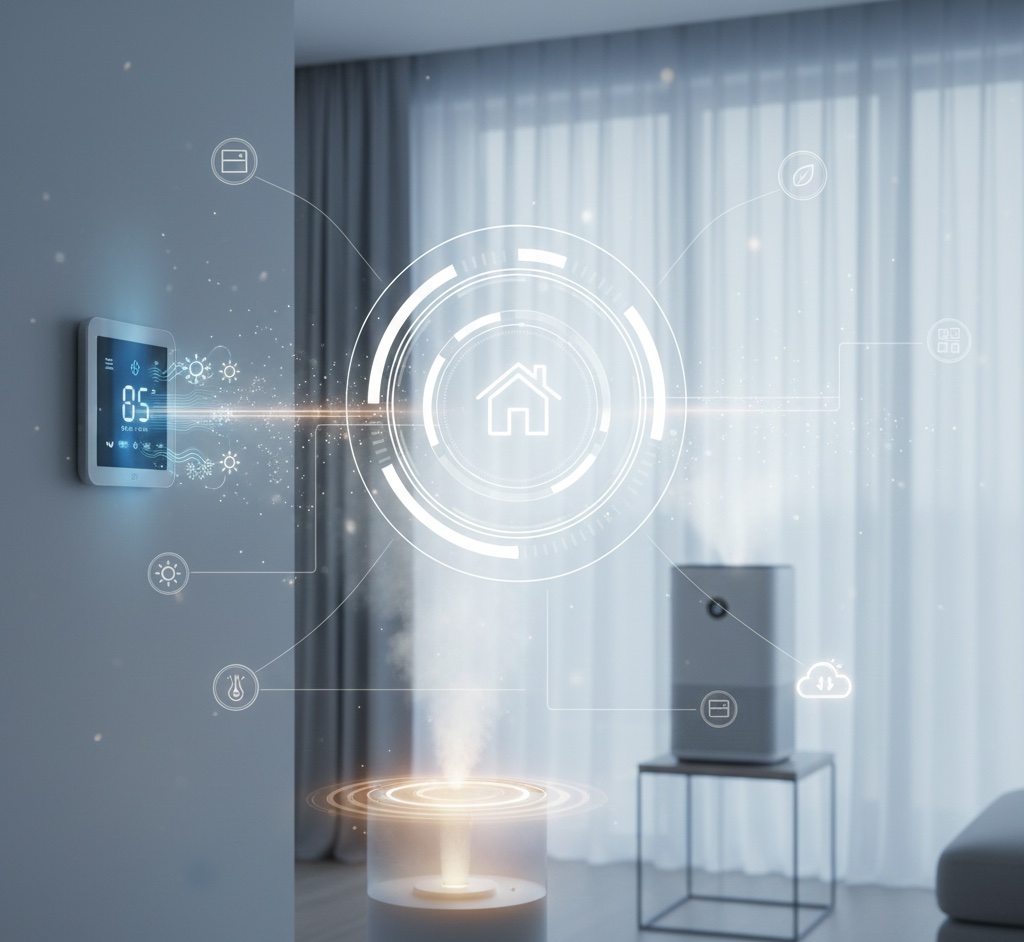
The Definitive Guide to a Healthier Home Environment
Welcome to Home Climate, your expert resource in mastering the invisible ecosystem inside your home.
It's one of three core sections on EverydayHomeComfort, alongside floor care and smart home automation.
Did you know that, according to the US Environmental Protection Agency, the air in your living room can be up to 5 times more polluted than the air outside?
From cooking fumes and pet dander to excess humidity and mold spores, your home climate control is about so much more than just setting a thermostat.
This is designed to be your technical and practical guide. We cut through the marketing jargon to provide:
Scientific Clarity
We explain what "True HEPA" filtration actually means, capturing 99.97% of 0.3-micron particles, versus misleading terms such as "HEPA-type."
Performance Metrics
We teach you how to read a CADR (Clean Air Delivery Rate) report so that you know just how fast a device can clean your specific room size.
Real-World Data
Our research uncover the home climate control systems that actually work, from air purifiers that eliminate odors, not just mask them, to humidifiers that stop dry skin without growing mold, and home environment testing kits that give you actual lab-grade data.
Who This Section Is For
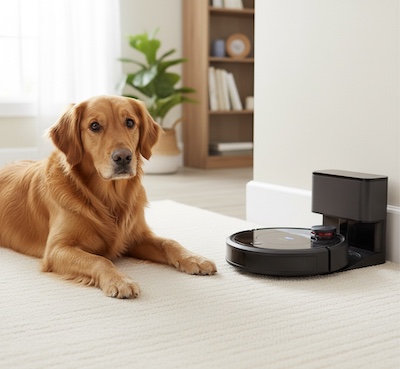
Pet Owners
We identify high-CADR devices capable of filtering the rapid accumulation of fur and dander.
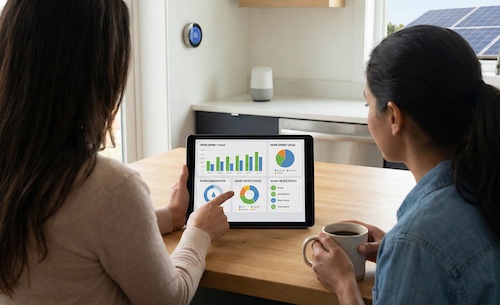
Data-Driven Homeowners
For those who want to measure, monitor, and optimize their indoor air quality using the latest smart monitors for PM2.5, VOCs, and CO2.
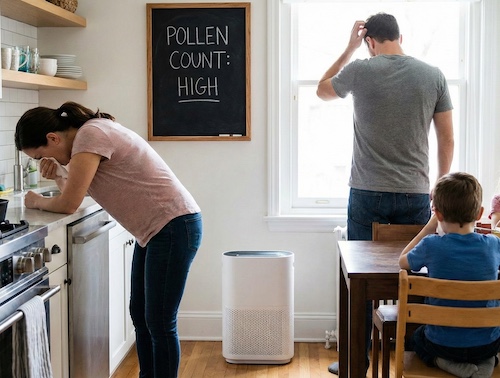
Allergy & Asthma Sufferers
If you need a medically clean environment, we focus on sealed-system air purifiers that trap allergens rather than recirculating them.
The Problems We Solve
Marketing claims are often misleading. We answer the critical questions:
- Does this "silent" fan actually move enough air to cool a room?
- Will this dehumidifier prevent mold in a large basement?
- Is an expensive "air scrubber" worth the cost over a standard purifier?
We combine technical analysis with practical testing to help you build a safe, comfortable, and healthy home environment.
Our Articles
-
Air Purifier Black Friday 2026: 6 Models Worth Buying

-
Best Air Purifier and Humidifier Combo: 5 Picks for 2026
-
Best UV Light Air Purifiers for Your Home (2026)
-
Air Purifier Buying Guide: How to Choose the Right One
-
Best Air Purifier for Large Rooms (2026 Picks)

-
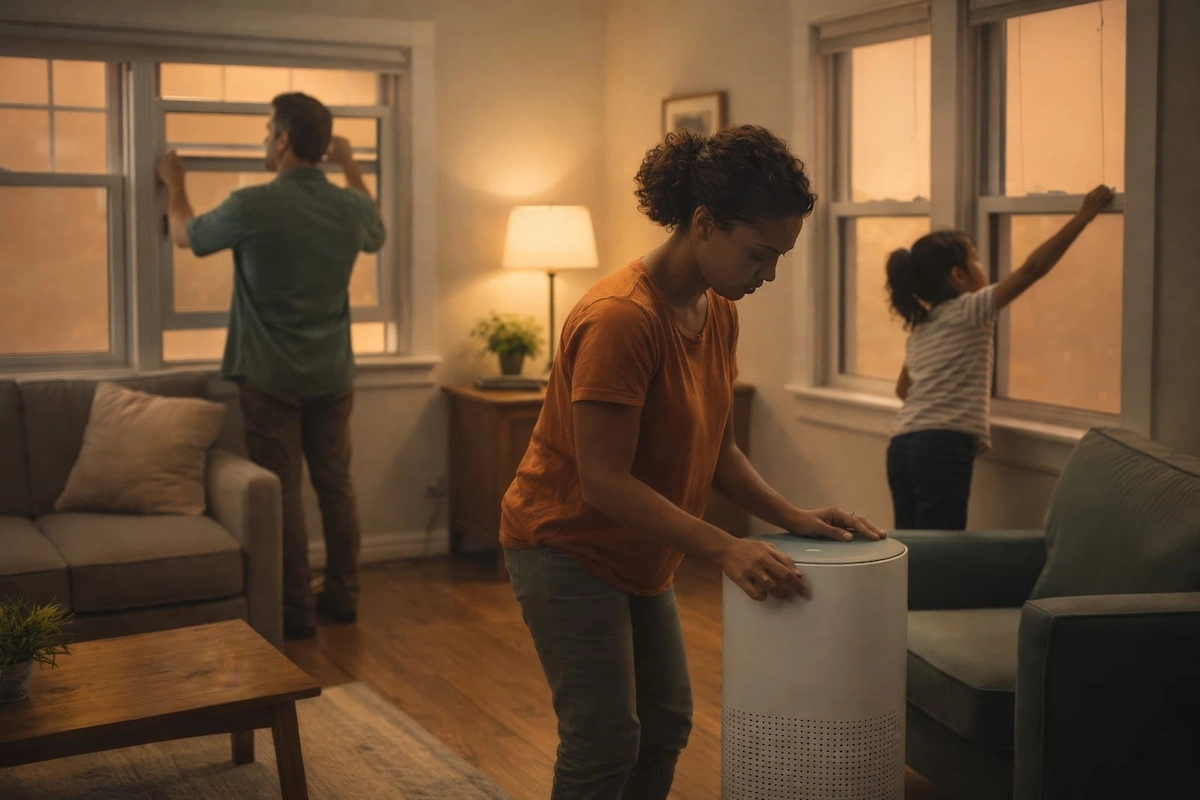
Best Air Purifier for Wildfire Smoke in 2026
Frequently Asked Questions (FAQs)
This is where the most critical difference in air purification and real home climate control lie.
True HEPA-H13/H14 should be certified to capture at least 99.97% of particles as small as 0.3 microns in diameter, such as dust, pollen, mold, and bacteria.
This is the medical standard.
HEPA-type / HEPA-style: these are marketing terms.
These filters aren't certified to meet the 99.97% standard.
Often, they let microscopic allergens pass right through back into your air.
Always look for the "True HEPA" label.
Ignore the "square footage" on the box, which is often inflated.
Look for the CADR (Clean Air Delivery Rate) number.
The 2/3 Rule: The CADR for smoke needs to be at least 2/3 of the square footage of your room.
For example, in a 120 sq. ft room, you need a unit with at least a Smoke CADR of 80.
Alternatively, ensure that the unit can provide at least 4.8 ACH for your room dimensions to adequately clean the air.
Yes, but balance is key.
Viruses: Maintaining the humidity between 40-60% can lower the survival rate of flu viruses; it also helps in filtering pathogens through your nasal passages effectively.
Allergies: whereas dry air irritates the sinuses, too much humidity (> 60%) encourages dust mites and mold growth.
A humidifier should be fitted with an integral hygrostat (or humidity sensor) to keep it within this safe zone.Th
Where what constitutes "quiet" is subjective, decibel measure is not.
For a bedroom, look for fans rated under 30 dB at the lowest setting.
DC Motor Fans: These are normally quieter and more energy-efficient compared to traditional AC motor fans.
Bladeless Fans: They are often quieter at low speeds but can have a high-pitched whine at max power.
Our Top Picks: We've long ranked Levoit, Rowenta, and Dreame fans as the best options for specific "sleep modes" running whisper-quiet at 20 to 25 dB.
You can take a tiered approach to home environment testing:
DIY Kits: Inexpensive petri-dish tests, such as Evviva Sciences, can determine if mold spores are present but will also produce "false positives" since mold is omnipresent.
Air Quality Monitors: Devices from Airthings or uHoo track PM2.5, VOCs, and humidity with real-time readings to alert one to conditions of mold promotion.
Lab Tests: If you want complete and final answers, use a kit like Seeml Labs that relies on tape lifts or air pumps and depends on you mailing the sample to a certified lab for professional analysis.
This will tell you exactly what mold you have and its concentration.
Explore our other categories