Ad. When you purchase through links we provide, we may receive an affiliate commission. Here's how it works.
Air Purifier and Allergies 2026: 5 Best HEPA Picks
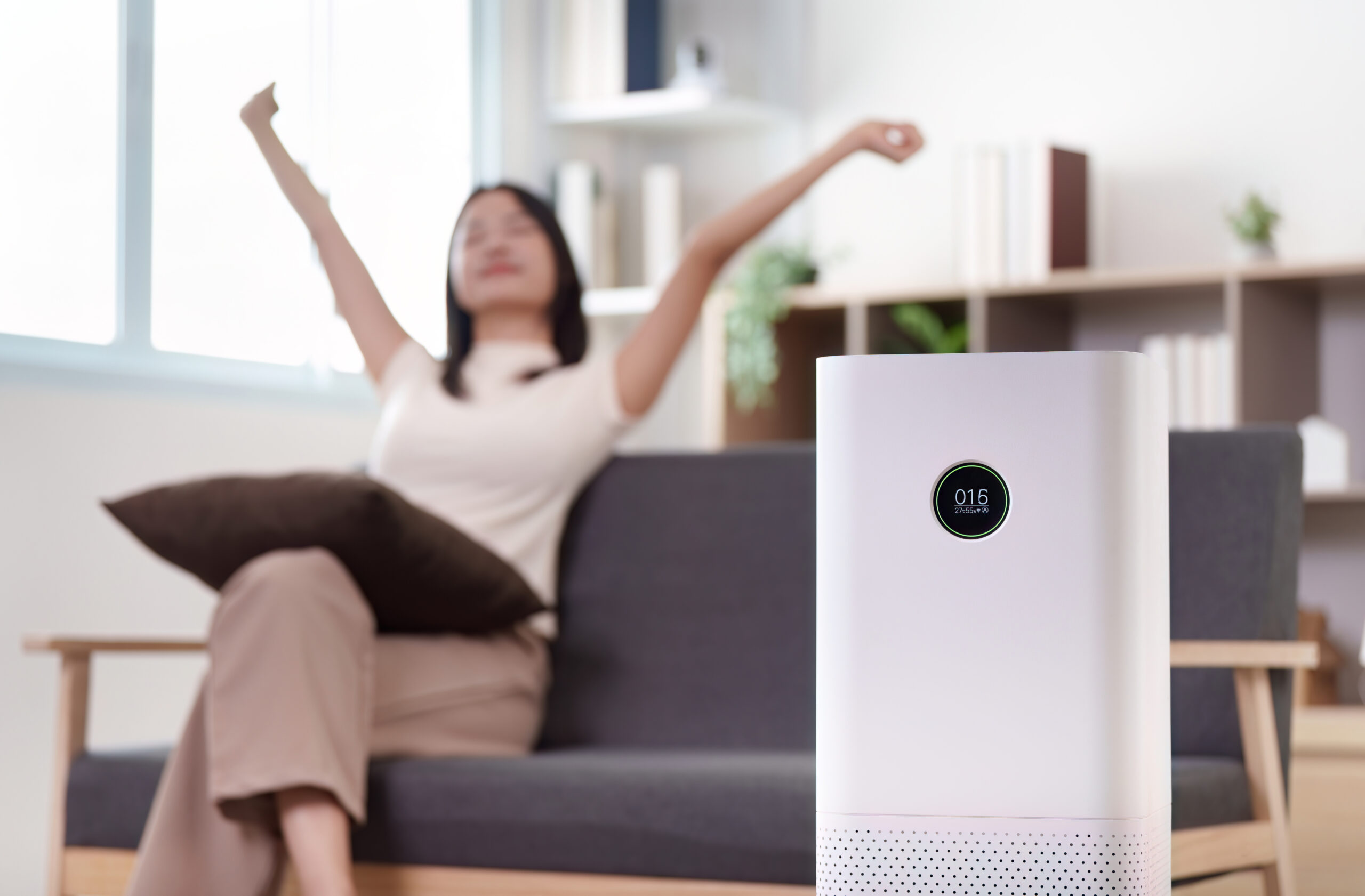
The link between air purifier and allergies comes down to one spec most brands hide: CADR at the speed you’ll actually use. For most households, the Coway Airmega AP-1512HH Mighty is the right answer: a Coway-rated dust CADR of 246 (manufacturer claim), confirmed True HEPA filtration, and a 10-year track record. For ultra-fine particle filtration or severe asthma, the IQAir HealthPro Plus filters down to 0.003 microns, 100× finer than standard HEPA.
Quick Picks
- Coway Airmega AP-1512HH Mighty: best overall for bedrooms and medium spaces up to 360 sq ft; lowest noise at its CADR tier
- Levoit Core 600S: best for open-plan spaces over 400 sq ft; highest peak CADR in this roundup
- Rabbit Air A3: best for pet owners; customizable ‘Pet Allergy’ filter tier and wall-mount option
- Blueair Blue Pure 311i Max: best for light sleepers; QuietMark certified at 25 dB
- IQAir HealthPro Plus: best for severe asthma or chemical sensitivities; deepest residential filtration available
Key Takeaways
- A double-blind randomized controlled trial published on NIH found HEPA air purifiers reduced allergy medication needs by 26.3%, but only when run continuously in the bedroom
- At quiet/sleep speeds, real CADR drops 60–66% from peak: the number that matters is the one at the volume you can sleep through
- ENERGY STAR recommends 4.8 air changes per hour (ACH) for effective allergen reduction; at that standard, manufacturer coverage claims overstate real-world coverage by 60–75%
- Two of the five products in this guide include ionizers: a critical consideration for allergy and asthma sufferers (ionizers produce trace ozone, a lung irritant flagged by the EPA)
- Bedroom PM2.5 is 1.8× higher than living rooms per NIH data, the bedroom is where your unit should go first
If your allergies are getting worse at home, your air purifier may not be working as hard as you think. Most buyers choose on peak CADR and manufacturer coverage claims, both measured under conditions you’ll never replicate. Understanding the real link between air purifier and allergies means focusing on one spec: how much clean air the unit delivers at the speed you’ll leave it running overnight.
Air Purifier and Allergies: Does the Science Actually Support It?
Yes, with one important condition.
A double-blind randomized controlled trial published on NIH found that HEPA air purifiers reduced allergy medication needs by 26.3% after six weeks of continuous bedroom use. The same study found bedroom PM2.5 concentrations are 1.8× higher than living rooms, which means where you place the unit matters as much as which unit you buy.
Particles return to pre-cleaning levels within 30 minutes of turning the unit off. An air purifier for allergies only works when it is running. Running it reactively, only when you feel symptoms, means you’ve already breathed a full allergen load before it kicks in. Set it to auto mode and leave it on 24/7.
What it cannot do: reach settled allergens in mattresses, sofas, or carpeting. A True HEPA filter captures particles while they’re airborne. Dust mite debris embedded in bedding, dander matted into upholstery, or pollen settled on surfaces are outside its reach, which is why air purification works best alongside regular vacuuming with a HEPA vacuum (see our guide to the best robot vacuum for pet hair for paired floor-care options) and weekly bedding washes in hot water.
The Best Air Purifier for Dust Mites Isn’t What You Think
Dust mites deserve their own explanation, not just a footnote. An air purifier for dust mites works differently than one for pollen or pet dander, because dust mites themselves never really fly. According to the EPA’s guide to indoor air quality, dust mite allergens live in bedding, carpet, and upholstered furniture, and they settle back out of the air within minutes of being disturbed. That means a HEPA air purifier can only catch dust mite debris in the narrow window after something stirs it up: making the bed, vacuuming, or a kid jumping on the couch.
The EPA guide adds a detail most buying advice skips: vacuuming itself temporarily increases airborne mite allergen levels. Your air purifier is doing real work in that moment, but it can’t undo what’s embedded in the mattress or the rug. Even the randomized controlled trial behind our 26.3% medication-reduction figure above is honest about this limit: the researchers tried to measure dust mite allergen levels directly and couldn’t get a reliable reading, so their result reflects particulate matter reduction and symptom scores, not confirmed allergen counts. That’s not a reason to skip an air purifier. It’s a reason not to expect it to work alone.
The fix that actually reaches settled allergens is humidity control, not filtration. Dust mites lose water and die off when relative humidity stays below 50%, per a clinical practice parameter on dust mite exposure control. The EPA guide recommends the same 30-50% range and adds two low-cost habits that do more for dust mite allergens than any purifier spec: wash bedding in 130°F water weekly, and use allergen-proof mattress and pillow encasements. Pair those with a dehumidifier (see our Dehumidifier vs Air Purifier comparison if you’re deciding which to buy first) and the air purifier’s job gets much easier: it only has to catch what’s airborne, not what’s living in the mattress.
Within this roundup, the Coway Airmega AP-1512HH Mighty and Blueair Blue Pure 311i Max are the two picks best suited to dust mite households specifically: both use a washable pre-filter that catches the larger, heavier debris typical of dust mite waste before it ever reaches the HEPA layer, which matters more here than it does for finer pollen particles. Whichever unit you choose, the quiet-speed CADR math from the section above still applies: it only works if you run it at a speed you’ll actually leave on overnight.
The Spec Manufacturers Don’t Highlight: CADR at Quiet Speed
Peak CADR, the volume of filtered air delivered per minute at maximum fan speed, is the number on every product page. The problem: maximum speed on most units is unusably loud for a bedroom. The Levoit Core 600S hits 62 dB at top speed. The IQAir HealthPro Plus reaches 61 dB at speed 6. Neither is realistic for overnight use.
At quiet or sleep speeds, CADR falls sharply across every unit in this roundup:
| Product | Peak Dust CADR | Quiet-Speed CADR | Drop |
|---|---|---|---|
| Coway Airmega AP-1512HH | 246 cfm | ~100 cfm | −59% |
| Levoit Core 600S | 398 cfm | 156 cfm | −61% |
| Rabbit Air A3 | 262 cfm | ~105 cfm | −60% |
| Blueair Blue Pure 311i Max | 314 cfm | 108 cfm | −66% |
| IQAir HealthPro Plus | ~213 cfm | 86 cfm | −60% |
The air purifier for allergies that helps you most is the one you run at a speed you can sleep through, not the one with the highest peak number on the box.
ENERGY STAR recommends at least 4.8 ACH for meaningful allergen reduction. To calculate the CADR you need: take your room’s square footage and multiply by 0.67 (⅔ rule, per CADR rating). For a 300 sq ft bedroom, you need a dust CADR of at least 200. At 4.8 ACH, the manufacturer’s headline coverage figure drops by 60–75%; a unit marketed for 635 sq ft effectively covers 130–160 sq ft under the ENERGY STAR standard.
What to Look For in an Air Purifier for Allergies
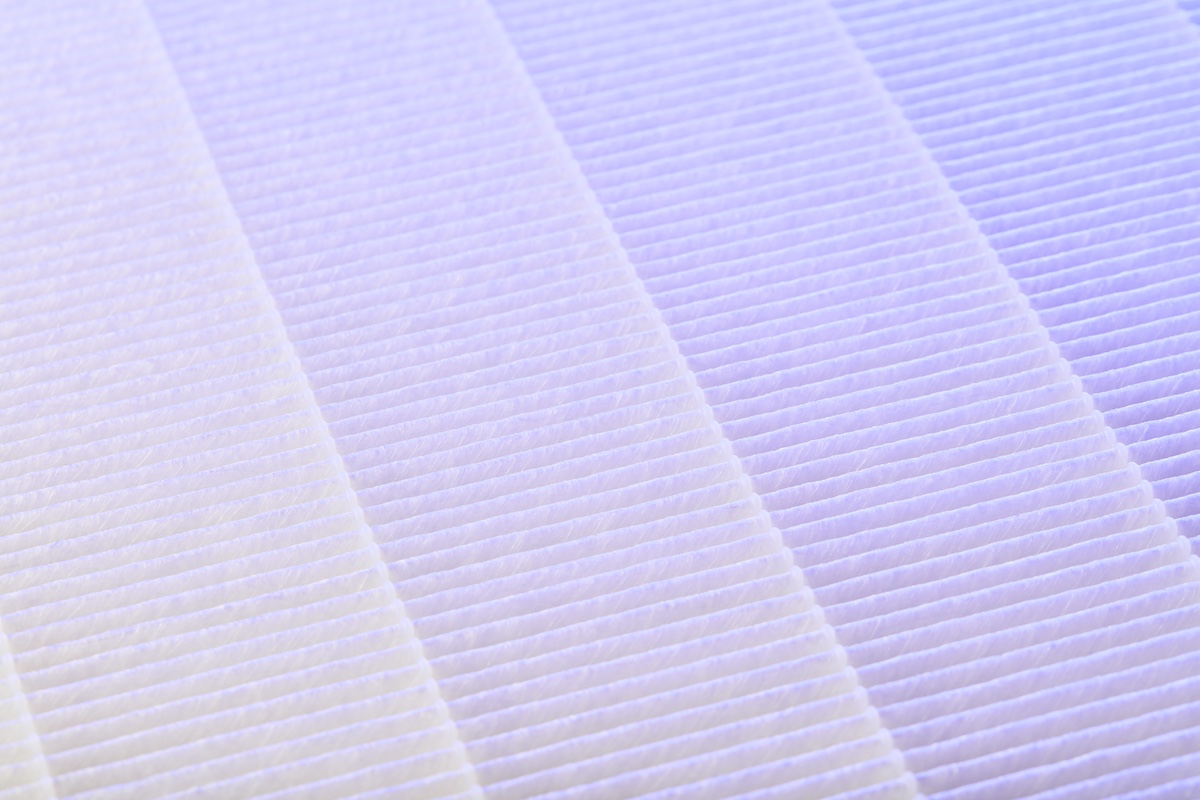
True HEPA filtration: certified to capture 99.97% of particles at 0.3 microns (the most penetrating particle size). See our full breakdown of HEPA vs True HEPA labeling: ‘HEPA-type’ and ‘HEPA-style’ filters typically only handle particles down to 2 microns, missing the smallest allergens entirely.
If the packaging doesn’t say True HEPA, assume it doesn’t meet the spec. Temperature also affects indoor allergen levels. Pairing a True HEPA air purifier for allergies with a smart thermostat lets you control both air quality and temperature from a single home climate setup.
AHAM VERIFIDE certification: the Association of Home Appliance Manufacturers independently tests and certifies CADR ratings. Without that seal, the manufacturer set their own numbers. Two of the five units in this roundup are AHAM VERIFIED: the Levoit Core 600S and the Blueair Blue Pure 311i Max.
Asthma & Allergy Friendly® certification: a separate program run by the Asthma and Allergy Foundation of America with Allergy Standards Limited, testing whether a unit measurably reduces bio-allergen levels without producing ozone. Only one pick in this roundup carries it: the Rabbit Air A3. The Coway Mighty, Levoit Core 600S, Blueair 311i Max, and IQAir HealthPro Plus are not on AAFA’s certified product list as of September 2026. That doesn’t mean they underperform, only that they haven’t gone through this specific third-party program.
Ozone-free or ionizer-off option: ionizers produce trace ozone, a lung irritant the EPA Guide to Air Cleaners in the Home flags as worsening asthma and allergy symptoms at elevated concentrations. Two units here include ionizers: the Coway Mighty’s ionizer can be disabled; the Blueair 311i Max’s cannot. For allergy or asthma households, confirm the ionizer is off or choose a unit without one. If you want germicidal sanitizing without the ozone trade-off, our best UV light air purifiers guide highlights which models skip the ionizer entirely.
Auto mode with a reliable sensor: allergen spikes are unpredictable. Vacuuming, a pet shaking off, making the bed, all launch a cloud of particles. An auto mode that detects and responds is more valuable in allergy households than a unit you have to manually adjust.
Our air purifier buying guide covers these same fundamentals for every use case, not just allergies
Comparison Table: Top 5 Air Purifiers for Allergies
| Product | Best For | Filter Type | Peak Dust CADR | Coverage at 4.8 ACH | EHC Score |
|---|---|---|---|---|---|
| Coway AP-1512HH Mighty | Best overall | True HEPA + carbon | 246 cfm | ~310 sq ft | 7.8 |
| Levoit Core 600S | Large open spaces | 3-stage bonded | 398 cfm | ~500 sq ft | 7.3 |
| Rabbit Air A3 | Pet owners | BioGS HEPA + custom filter | 262 cfm | ~330 sq ft | 7.5 |
| Blueair Blue Pure 311i Max | Light sleepers | HEPASilent hybrid | 314 cfm | ~390 sq ft | 7.1 |
| IQAir HealthPro Plus | Medical-grade / severe asthma | HyperHEPA + gas filter | ~213 cfm | ~270 sq ft | 6.4 |
Product Reviews: In-Depth Analysis
Coway Airmega AP-1512HH Mighty: Best Overall
Sale
Coway Airmega AP-1512HH Mighty
- [Coverage] Designed to clean spaces up to 1,748 sq. ft. in 60 minutes
- [Four Stage Filtration System] Combination of a washable pre-filter, deodorization filter, Bipolar…
- [Auto Mode] Constantly monitoring the air quality, the fan automatically adjustes to most effectively…
$154.98

Check Today’s Price on Amazon
The Coway Mighty has been the default recommendation from independent reviewers for nearly a decade. A Coway-rated dust CADR of 246 (manufacturer claim), confirmed True HEPA, four-stage filtration, and the most independently reviewed track record of any unit in this roundup.
| EverydayHomeComfort Score | Coway Airmega AP-1512HH Mighty |
|---|---|
| Clean-Air Delivery (35%) | 7.0 / 10 |
| Filtration (25%) | 8.5 / 10 |
| Noise (15%) | 8.5 / 10 |
| Running Cost & Upkeep (15%) | 8.0 / 10 |
| Ease of Use (10%) | 7.0 / 10 |
| Overall Rating | 7.8 / 10 |
Why we picked it:
- Dust CADR of 246 (manufacturer claim): among the highest in its class for bedroom-sized spaces
- True HEPA filter: confirmed 99.97% at 0.3 microns, no labeling ambiguity
- 4-stage filtration: washable pre-filter (visible dust and pet hair) + carbon layer (odors) + True HEPA (allergens) + optional ionizer (disable it)
- Eco mode: fan turns off automatically once the air quality reaches clean threshold, reducing energy use
Real-world scenario: You have a 250 sq ft bedroom, a golden retriever, and seasonal dust mite allergies. You run this on auto all night at speed 1. The washable pre-filter catches the visible dog hair before it reaches the HEPA layer, extending filter life significantly in a high-dander household.
Pros:
- Most independently validated unit in this roundup: track record is real, not marketing
- Washable pre-filter extends main HEPA filter life in pet and high-dust households
- Quiet at lowest speed (24 dB): bedroom-viable
- Eco mode lowers running costs without manual intervention
Cons:
- No WiFi on the base AP-1512HH model: check the AP-1512HHS for smart home integration
- Ionizer produces trace ozone (~9 ppb): confirm it is switched off for asthma or severe allergy households
- Lower peak CADR than Levoit Core 600S for comparable large-room use
Best for: Allergy sufferers with small-to-medium bedrooms (up to 360 sq ft) who want proven, low-maintenance filtration.
Planning to buy the Mighty during Black Friday week? Our air purifier Black Friday picks cover it, plus the AP-1512HHS variant that looks the same but uses a different filter set.
Levoit Core 600S: Best for Large Spaces
Sale

Levoit Core 600S
- 𝐖𝐇𝐘 𝐂𝐇𝐎𝐎𝐒𝐄 𝐀𝐇𝐀𝐌 𝐕𝐄𝐑𝐈𝐅𝐈𝐃𝐄 𝐀𝐈𝐑 𝐏𝐔𝐑𝐈𝐅𝐈𝐄𝐑𝐒: AHAM (Association of Home Appliance Manufacturers) is an…
- 𝐋𝐄𝐕𝐎𝐈𝐓’𝐒 𝐌𝐎𝐒𝐓 𝐏𝐎𝐖𝐄𝐑𝐅𝐔𝐋 𝐀𝐈𝐑 𝐏𝐔𝐑𝐈𝐅𝐈𝐄𝐑: A powerhouse at purifying your air in any room. It scans for tiny airborne…
- 𝐔𝐋𝐓𝐑𝐀-𝐏𝐎𝐖𝐄𝐑𝐅𝐔𝐋 𝐏𝐔𝐑𝐈𝐅𝐈𝐂𝐀𝐓𝐈𝐎𝐍 𝐅𝐎𝐑 𝐄𝐗𝐓𝐑𝐀-𝐋?𝐑𝐆𝐄 𝐒𝐏𝐀𝐂𝐄𝐒: The Levoit Core 600S-P Air…
$259.97
Check Today’s Price on Amazon
The highest peak-CADR unit in this roundup at 398 cfm, the right call if you’re targeting a large living room or open-plan space where you’ll run it at medium-to-high speeds during active hours.
| EverydayHomeComfort Score | Levoit Core 600S |
|---|---|
| Clean-Air Delivery (35%) | 9.5 / 10 |
| Filtration (25%) | 6.0 / 10 |
| Noise (15%) | 6.0 / 10 |
| Running Cost & Upkeep (15%) | 5.0 / 10 |
| Ease of Use (10%) | 8.5 / 10 |
| Overall Rating | 7.3 / 10 |
Why we picked it:
- Highest peak CADR of the five: most filtered air per minute in large spaces
- ENERGY STAR certified and AHAM VERIFIDE
- VeSync app + AirSight Plus particle sensor: PM2.5 monitoring with auto fan response when allergen events spike
Real-world scenario: Your open-plan living room and kitchen runs about 600 sq ft. You work from home with two cats. The Core 600S runs on auto during the day. When the cats groom or you vacuum, the sensor spikes and the fan ramps automatically for 5–10 minutes, then drops back to quiet once the particle count clears.
Pros:
- Best peak CADR per dollar in this roundup for large spaces
- Smart auto mode responds to real particle events in real time
- ENERGY STAR certified
Cons:
- Levoit dropped explicit “True HEPA” labeling after an industry challenge; filter meets the 0.3-micron spec but lacks independent HEPA certification
- Loud at max speed (62 dB): not suited for overnight bedroom use at top speed
- At sleep speed, CADR drops to 156 cfm: the largest real-world gap from peak in this roundup
- Bonded filter design: carbon and particle layers replace together, even if only one is spent
Best for: Busy households with large living areas, pets, or heavy cooking who need high-capacity daytime filtration.
Rabbit Air A3: Best for Pet Owners

Rabbit Air A3
- WHISPER-QUIET OPERATION YOU’LL FORGET IS RUNNING: At just 20.3 dBA on its lowest setting, this quiet HEPA…
- CUSTOMIZABLE 6-STAGE FILTRATION FOR YOUR SPECIFIC AIR QUALITY NEEDS: This home air purifier lets you…
- ONE YEAR OF CLEAN AIR WITHOUT CONSTANT MAINTENANCE: With a 12-month HEPA air filter life under 24/7 use…
The only unit in this roundup with a customizable filter tier. The “Pet Allergy” option is specifically engineered for pet dander, not just general particle capture. Combined with a wall-mount option and BioGS HEPA filtration down to ultra-fine particles, this is the most targeted option for high-shedding households. Pair it with the best air purifier for bedroom guide if you’re setting up a dedicated bedroom air quality system.
| EverydayHomeComfort Score | Rabbit Air A3 |
|---|---|
| Clean-Air Delivery (35%) | 7.0 / 10 |
| Filtration (25%) | 9.0 / 10 |
| Noise (15%) | 9.5 / 10 |
| Running Cost & Upkeep (15%) | 4.5 / 10 |
| Ease of Use (10%) | 6.5 / 10 |
| Overall Rating | 7.5 / 10 |
Why we picked it:
- BioGS HEPA: 99.97% at 0.3 microns with additional ultra-fine particle capacity down to 0.01 microns
- Customizable middle filter tier: choose Pet Allergy, Germ Defense, Odor Remover, or Toxin Absorber based on your household’s primary allergen profile
- Wall-mountable: positions the intake at breathing height rather than floor level, changing the capture geometry for floating dander
- Quietest unit in this roundup at lowest speed: 20.3 dB
Real-world scenario: You have two cats and a 450 sq ft apartment. You mount the A3 on the bedroom wall at about 5 feet. The intake pulls air at breathing height, where floating dander concentration is highest, rather than from floor level where settled particles are harder to recapture.
Pros:
- Quietest unit at low speed in this roundup (20.3 dB)
- Wall-mount is a genuine differentiator for small apartments
- 5-year warranty, best in class
- 6-stage filtration with customizable middle tier targeting your specific allergens
- AAFA-certified: the only unit in this roundup independently verified to reduce bio-allergen levels without ozone output.
Cons:
- Highest filter cost in this roundup: full filter kit replacement needed annually
- App provides only basic PM data: no historical tracking or trend analysis
- Not best CADR per dollar if you don’t leverage the customizable filter benefit
Best for: Pet owners in small-to-medium spaces who want the quietest possible operation and targeted dander filtration.
Blueair Blue Pure 311i Max: Best for Quiet Bedrooms

Blueair Blue Pure 311i Max
- Powerful Air Purifier for Medium Rooms: The Blue Pure 311i Max quickly cleans air in bedrooms, living…
- Removes Dust, Smoke, Pet Dander & Allergens: Blueair’s HEPASilent dual filtration technology captures…
- Smart Air Purifier with App Control: Built-in sensors automatically adjust fan speed when pollution…
$229.00
Check Today’s Price on Amazon
QuietMark certified at 25 dB on its lowest setting. If your primary use case is overnight allergen reduction and you or your partner is a light sleeper, the 311i Max is the unit to consider. HEPASilent dual filtration, electrostatic charging combined with mechanical filtration, lets it move more air at lower fan speeds than standard HEPA-only designs.
| EverydayHomeComfort Score | Blueair Blue Pure 311i Max |
|---|---|
| Clean-Air Delivery (35%) | 7.5 / 10 |
| Filtration (25%) | 5.5 / 10 |
| Noise (15%) | 9.0 / 10 |
| Running Cost & Upkeep (15%) | 7.5 / 10 |
| Ease of Use (10%) | 6.5 / 10 |
| Overall Rating | 7.1 / 10 |
Why we picked it:
- QuietMark certified: low-speed noise is independently verified, not self-reported
- HEPASilent dual filtration: electrostatic + mechanical combination captures particles at lower fan resistance, enabling quieter operation
- Washable fabric pre-filter: catches visible dust and pet hair before the main filter, extending replacement intervals
- RealTrack filter life algorithm: adjusts replacement alerts based on actual usage and local air quality instead of a fixed calendar schedule
Real-world scenario: You have dust mite allergies and your partner is a very light sleeper. You need a purifier that runs all night without becoming ambient noise. The 311i Max at speed 1 is quieter than the background hum of most HVAC systems.
Pros:
- Best-in-class quiet operation for light sleepers
- Washable pre-filter reduces main filter consumption
- RealTrack filter life algorithm replaces guesswork with usage-based alerts
Cons:
- Built-in ionizer cannot be disabled: a hard stop for anyone with asthma or reactive airways
- Minimal activated carbon layer: poor for strong pet odor households, and similarly limited for cigarette smoke; see our best air purifier for cigarette smoke guide for models that address that specifically.
- Optical PM sensor requires manual cleaning; laser sensors on competitors are self-maintaining
- At quiet speed, CADR drops to 108 cfm: one of the larger drops in this group
Best for: Light sleepers in bedrooms where noise is the primary constraint, provided no one in the household has asthma (the ionizer cannot be disabled).
IQAir HealthPro Plus: Best Medical-Grade

IQAir HealthPro Plus
- ADVANCED HYPERHEPA FILTRATION – Designed to remove and trap 99.995% of all airborne particles down to…
- ENERGY EFFICIENT DESIGN – Experience next-generation efficiency with the redesigned fan system, which is…
- SMART TECHNOLOGY INTEGRATION – The HealthPro Plus XE integrates seamlessly with IQAir’s AirVisual app…
The only unit here that filters particles down to 0.003 microns: 100× finer than the standard HEPA specification. For households with severe asthma, chemical sensitivities, or immunocompromised members, no other residential purifier comes close on filtration depth.
| EverydayHomeComfort Score | IQAir HealthPro Plus |
|---|---|
| Clean-Air Delivery (35%) | 5.5 / 10 |
| Filtration (25%) | 9.5 / 10 |
| Noise (15%) | 5.5 / 10 |
| Running Cost & Upkeep (15%) | 6.0 / 10 |
| Ease of Use (10%) | 3.5 / 10 |
| Overall Rating | 6.4 / 10 |
Why we picked it:
- HyperHEPA: independently certified to capture 99.5% of particles at 0.003 microns: captures ultra-fine combustion particles, viruses, and everything standard HEPA misses
- Three-stage system: PreMax pre-filter + V5-Cell gas/odor filter (alumina + activated carbon) + HyperHEPA: handles particles and gases simultaneously
- 100% sealed housing: no air bypasses the filter stack; every cubic foot of output has been fully filtered
- Longest filter lifespan in this roundup: HyperHEPA replacement every 3.75–4+ years at normal use
Real-world scenario: Someone in your household has severe asthma triggered by ultra-fine PM2.5 and household VOCs. You need the deepest residential filtration available, and filter longevity reduces long-term maintenance frequency. The HealthPro Plus is the only residential unit with HyperHEPA certification.
Pros:
- Deepest filtration available in the residential market: nothing comes close for ultra-fine particles
- Fully sealed casing: no bypass air
- Longest filter intervals in this roundup: less frequent replacement
- 10-year warranty
Cons:
- Heavy and bulky: fragile castor wheels; not ideal for apartment mobility
- At quiet speed, CADR drops to 86 cfm: the lowest quiet-mode performance in this roundup
- Base model has no auto mode or app
- Highest running cost of the five due to electricity consumption at full speed
Best for: Households with severe asthma, chemical sensitivities, or immunocompromised members who require maximum filtration depth and can manage the running costs.
Also Considered
Two other names come up constantly in allergy air purifier searches. Here’s why they didn’t make the five above.
Alen BreatheSmart 75i: Alen’s own product page states coverage of up to 2,800 sq ft every hour, and it carries Asthma & Allergy Friendly certification, a real credential none of the five picks above hold. But that coverage figure has no AHAM VERIFIDE dust CADR behind it to check against the 4.8 ACH standard used throughout this guide, so we couldn’t verify it the way we verified the Coway, Levoit, and Rabbit Air numbers above.
Sale

Alen BreatheSmart 75i
- HEPA Pure Filter: Eliminates 99.9% of pollutants as small as 0.1 micron so you can breathe easy. Perfect…
- Powerful Air Purification: The Alen BreatheSmart 75i is essential for large spaces up to 2800 sq ft…
- Engineered to Perform: Alen air purifiers offer superior performance through the combination of a…
$699.59
Check Today’s Price on Amazon
No products found.: NuWave sells several different units under the OxyPure name, with published dust CADR figures ranging from roughly 104 to 351 cfm depending on which model and source you check. Without one AHAM VERIFIDE number tied to one specific model, we couldn’t confirm which spec applies to the unit you’d actually be buying, so it’s left out until that’s resolved.
No products found.
Common Mistakes When Buying an Air Purifier for Allergies
- Buying based on manufacturer coverage claims: almost all stated coverage figures use 1 ACH. ENERGY STAR recommends 4.8 ACH. Cut the stated figure by ~75% to get a real-world number.
If you’re shopping on a tight budget, our best air purifier under $100 guide shows which affordable units have independently verified CADR numbers. - Running it only when you feel symptoms: allergens accumulate continuously. By the time you feel symptoms, the load is already high. Auto mode running 24/7 prevents the buildup, not the response to it.
- Placing the unit in a corner or against a wall: purifiers need unobstructed airflow on all intake sides. A corner placement cuts effective intake by 30–40%. Position it at least 1–2 feet from walls, ideally near the primary allergen source.
- Choosing a HEPA-type filter thinking it’s the same as True HEPA: HEPA-type filters typically handle particles down to 2 microns. The 0.3-micron threshold is the entire point of HEPA filtration for allergies. If the spec sheet doesn’t confirm True HEPA, it doesn’t qualify.
- Ignoring the ionizer setting: two units in this roundup include ionizers that produce trace ozone. For allergy and asthma households, always confirm the ionizer is off. On the Blueair 311i Max, this is not possible: factor that in before purchasing.
What Happens If You Choose Wrong
- If you size by the manufacturer’s stated coverage → you run a chronically undersized unit that never cycles the room often enough and allergen levels barely move
- If you buy a unit with a non-disableable ionizer and someone in your household has asthma → ozone exposure may trigger the exact symptoms you’re trying to prevent
- If you choose the highest peak CADR and run it at max speed → it’s loud enough that you’ll turn it off within a week, and an air purifier doing nothing on the shelf doesn’t filter anything
- If you skip the pre-filter cleaning or replacement → your HEPA filter clogs with visible debris in weeks instead of months, and a clogged HEPA delivers CADR close to zero even while the fan runs
How We Research
We analyzed specs across 30+ models, cross-referenced AHAM VERIFIDE certification data, and reviewed the findings of a 2020 randomized controlled trial on HEPA purifiers and allergic rhinitis published via NIH/PMC. We also applied the ENERGY STAR sizing standard (4.8 ACH) to all manufacturer coverage claims to give real-world effective coverage figures. Product selections reflect independently verified CADR, filter certification standards, quiet-mode performance, and filter longevity, not retail rankings or affiliate weighting. For our full method and scoring rubric, see our review methodology.
Choose in 60 Seconds
- If you have a bedroom under 360 sq ft and want the most proven option → buy the Coway Airmega AP-1512HH Mighty
- If you have an open-plan living space over 400 sq ft → buy the Levoit Core 600S
For a full comparison of air purifiers built for large or open-concept spaces, our best air purifier for large rooms guide covers five dedicated picks. - If you have pets and need dander-targeted filtration → buy the Rabbit Air A3 with the Pet Allergy filter
For a full comparison of air purifiers built for pet households, our best air purifier for pets guide covers five dedicated picks. - If you’re a light sleeper and quiet operation is non-negotiable → buy the Blueair Blue Pure 311i Max (confirm no asthma in household first)
- If someone in your home has severe asthma or chemical sensitivities → buy the IQAir HealthPro Plus
Who This Is For / Not For
This guide is for you if:
- You have dust mite, pet dander, or pollen allergies and want to reduce your daily exposure at home
- You’re targeting one specific room: bedroom, nursery, home office, or living room
- You’re willing to run the unit continuously on auto mode
- You have pets and need a unit designed for high-shedding households
- You want a second layer of protection alongside regular HEPA vacuuming and bedding hygiene
This guide is NOT for you if:
- You’re looking for a whole-home solution: portable units are room-specific and don’t circulate across closed doors
- Your primary issue is visible mold: mold remediation requires professional intervention; an air purifier reduces airborne spores but doesn’t address the source
- You want to replace regular cleaning: air purifiers complement vacuuming and dusting, they don’t substitute for them.
Frequently Asked Questions (FAQs)
Yes.
A double-blind randomized controlled trial (NIH, 2020) found that HEPA air purifiers reduced allergy medication needs by 26.3% after six weeks of continuous bedroom use. The same study found bedroom PM2.5 concentrations are 1.8× higher than in living rooms.
Consistent, continuous operation in the bedroom is the highest-impact use.
Use the ⅔ rule: your unit’s dust CADR should be at least ⅔ of your room’s square footage. For a 300 sq ft bedroom, you need a CADR of at least 200. Note that manufacturer coverage claims are almost always stated at 1 ACH. ENERGY STAR recommends 4.8 ACH for allergy relief; at that standard, effective coverage is roughly 75% lower than the headline figure.
True HEPA is the minimum standard for effective allergy relief, certified to capture 99.97% of particles at 0.3 microns, the most penetrating particle size. “HEPA-type” and “HEPA-style” filters typically only handle particles down to 2 microns, missing the smallest allergens.
For a full explanation of the labeling differences, see HEPA vs True HEPA: What the Difference Actually Means.
With caution.
Ionizers produce trace ozone: a lung irritant the EPA flags as worsening asthma and allergy symptoms. The Coway Mighty’s ionizer can be disabled; the Blueair 311i Max’s cannot. For pure mechanical filtration with no ozone risk, choose the Levoit Core 600S, Rabbit Air A3, or IQAir HealthPro Plus: none include ionizers.
Plan for the shorter end of the manufacturer’s replacement window. Pet households generate significantly more airborne particulate than average, which loads filters faster. A fully clogged HEPA filter drops effective CADR close to zero: the fan still runs, it just doesn’t filter. Monthly visual checks and washable pre-filter cleaning are the simplest ways to extend main filter life.
No.
Portable air purifiers are room-specific. Air does not circulate freely between closed rooms, so a unit in the living room has no measurable effect on a closed bedroom. Prioritize the bedroom first: it’s where you spend the most consecutive hours, and per NIH data, where PM2.5 concentration is highest in most homes.
They address different parts of the same problem. An air purifier traps airborne allergen particles. A dehumidifier controls humidity, and since dust mites can’t survive below 50% relative humidity, it attacks the mite population at the source. For serious dust mite allergies, using both together is more effective than either alone.
See our full comparison: Dehumidifier vs Air Purifier: Which One Do You Actually Need. For bedroom-specific picks optimized for overnight use, see our guide to the best dehumidifier for bedroom.
A standalone consumer-grade PM2.5 monitor gives the clearest answer: it’s a separate device, not the unit’s built-in sensor (which can have accuracy issues). Turn the purifier on auto, run the PM2.5 monitor in the same room, and check readings every 30 minutes. Within 1–2 hours of continuous operation you should see a measurable drop. If readings don’t move, check filter condition, placement distance from walls, and whether the room size exceeds the unit’s effective CADR at your chosen speed.
Summary
The best air purifier and allergies strategy is to run the right unit 24/7 at a speed you can tolerate, not to chase the highest peak CADR on the spec sheet. For most allergy sufferers with a bedroom under 360 sq ft, the Coway Airmega AP-1512HH Mighty is the clear answer: proven True HEPA filtration, a long-documented CADR, and the most independent testing behind any unit in this category. If you have pets and need targeted dander filtration, step up to the Rabbit Air A3 with the Pet Allergy filter. For severe asthma or chemical sensitivities, the IQAir HealthPro Plus is the only residential unit with ultra-fine particle certification down to 0.003 microns.
Air purification works best as part of a system: pair your purifier with a HEPA vacuum (our best robot vacuum for pet hair guide covers the floor-care side), keep bedroom humidity below 50%, and wash bedding weekly in water above 130°F. The purifier handles what’s airborne, the rest is up to the other tools in the system.
Browse all our reviewed air purifiers or return to EverydayHomeComfort for the full home comfort library.
Disclaimer: For informational purposes only. For medical advice or diagnosis, please consult a professional.