Ad. When you purchase through links we provide, we may receive an affiliate commission. Here's how it works.
Robot Vacuum Suction Power Explained: Pa Ratings Demystified
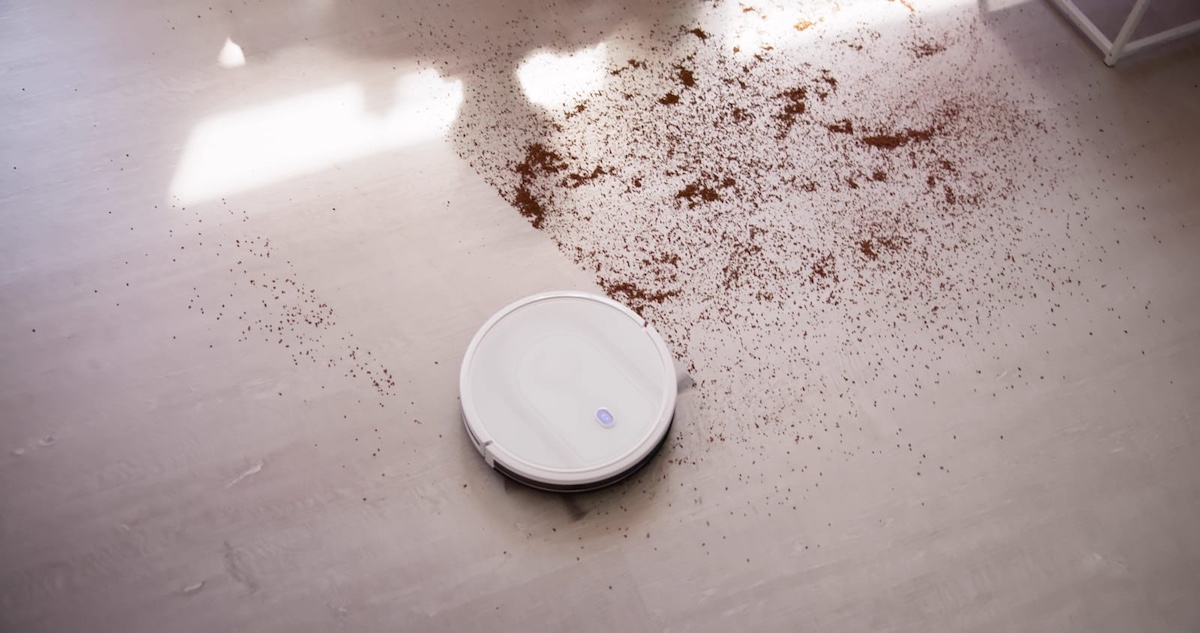
Robot vacuum suction power is measured in Pascals (Pa), a unit of air pressure.
A higher Pa rating means the motor creates a stronger pressure differential to pull debris off the floor.
For bare hardwood and LVP, 1,500 to 3,000 Pa is sufficient.
For medium carpet or pet hair, you need 6,000 Pa or more.
Pa ratings are self-reported by manufacturers with no standard testing protocol, so the number on the box is a ceiling, not a guarantee of what reaches your floor.
Key Takeaways
- Pa (Pascal) measures the pressure differential the motor creates; it does not measure how much debris the robot actually picks up
- Robot vacuum Pa ratings are taken at the motor, not at the floor; real-world suction is 20 to 40 percent lower than the advertised figure
- For bare floors, 1,500 to 3,000 Pa is adequate; for thick carpet with pet hair, 10,000 Pa or more is recommended
- Pa inflation is real: brands have climbed from 2,000 Pa to 18,000 Pa since 2020 without proportional cleaning gains
- Maintenance matters more than specs: a dirty filter or full dustbin degrades suction far more than a lower Pa rating
What Is Robot Vacuum Suction Power?
Robot vacuum suction power tells you how strong a pressure differential the motor creates to pull air and debris off the floor.
It is measured in Pascals (Pa), the SI unit of pressure, defined as one newton of force per square meter.
Standard atmospheric pressure is about 101,325 Pa.
A robot vacuum rated at 6,000 Pa creates a pressure gap of roughly 6 percent of atmospheric pressure at its motor.
The air rushing in to fill that low-pressure zone carries dust, pet hair, and debris into the dustbin.
A vacuum cleaner does not “suck” in the way we casually describe it.
The motor creates a low-pressure zone inside the robot, and atmospheric pressure pushes outside air in to equalize.
The Pa rating tells you how large that pressure gap is.
The bigger the gap, the more force pushing air and debris in.
How Pa Ratings Work
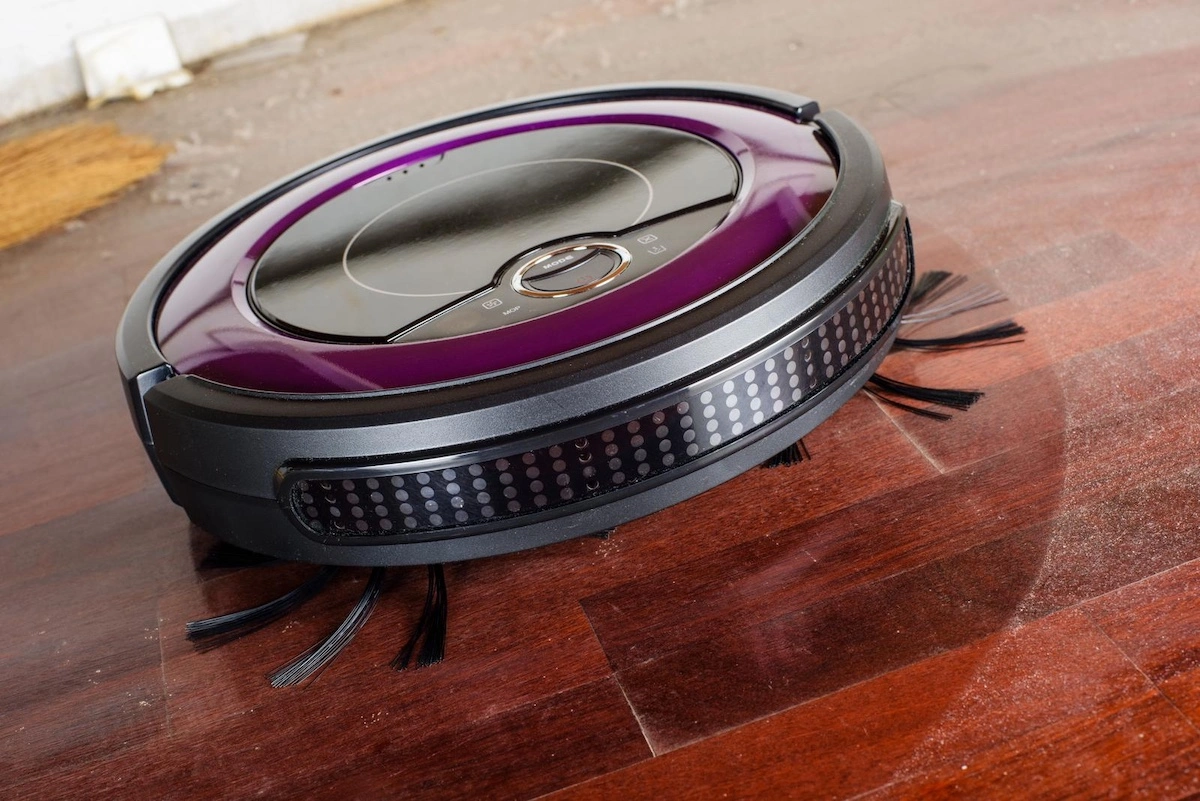
Pa is measured at the motor under lab conditions with nothing blocking the airflow.
By the time suction reaches the floor, it has traveled through the dustbin, the filter, the brush roll housing, and the floor inlet.
Each component adds resistance and reduces what the robot delivers at the surface.
It is measured at the motor inlet, not at the floor surface, meaning real-world suction is typically 20 to 40 percent lower than the number on the box.
There is also a standards problem.
The IEC 62885-2 standard governs performance testing for traditional plug-in vacuums.
Robot vacuum manufacturers are not required to follow it.
Each brand tests its own products under its own conditions.
Pa ratings for robot vacuums have no mandatory third-party testing protocol, meaning a 10,000 Pa claim from one brand and a 10,000 Pa claim from another are measured under completely different conditions.
Pa is also only one piece of the suction story.
Three things work together to determine real cleaning performance:
- Suction pressure (Pa): How hard the motor pulls air in
- Airflow (CFM): How much air moves through the system per second
- Floor seal: How tightly the robot’s undercarriage sits against the floor surface
A robot with excellent Pa but a loose floor seal leaks suction around the edges of the inlet, especially on grout lines, carpet edges, and floor transitions.
You will not find this on any spec sheet.
For a broader comparison of how robot vacuums differ from uprights on suction standards, see our robot vacuum vs regular vacuum breakdown.
Why Suction Power Matters in Real Homes
Pa ratings become meaningful when you connect them to the surfaces in your home.
Adequate suction removes the fine dust, pet dander, and allergens that the EPA identifies as significant contributors to indoor air quality problems.
Since vacuuming can’t catch what’s already airborne, running one of the best UV light air purifiers alongside your robot vacuum closes that gap.
Here are two scenarios where the right and wrong suction levels change real outcomes:
900 sq ft apartment with a shedding Labrador on plush carpet:
A robot at 4,000 Pa picks up surface hair but leaves embedded pet dander and fine particles in the pile.
At 8,000 to 10,000 Pa the robot pulls deeper into the carpet fibers, reducing allergen load meaningfully.
Drop below 4,000 Pa on medium-pile carpet and you will notice hair left behind after every run.
2,400 sq ft home with wide-plank engineered hardwood throughout:
Here, more is not better.
If you have premium hardwood floors, higher Pa is not always better; excessive suction can lift area rug edges and cause bristles to drag against the floor surface.
For premium floors, 2,000 to 4,000 Pa in standard mode is the right range.
See our guide to the best robot vacuums for hardwood floors for models that handle this well.
Pa Ratings by Floor Type: A Reference Guide
For bare hardwood and LVP floors, 1,500 to 3,000 Pa in standard mode is sufficient; going higher adds noise and battery drain without meaningful cleaning benefit.
Here is the full range by surface type:
| Floor Type | Recommended Pa Range | Notes |
|---|---|---|
| Bare hardwood / LVP | 1,500–3,000 Pa | Higher Pa adds noise, not cleaning benefit |
| Low-pile or flat carpet | 3,000–5,000 Pa | Standard mode on most mid-range robots |
| Mixed surfaces (hard + low carpet) | 3,000–6,000 Pa | Carpet Boost mode handles transitions |
| Medium-to-high pile carpet | 6,000–10,000 Pa | Boost mode recommended; check runtime impact |
| Thick carpet + heavy pet hair | 10,000+ Pa | Diminishing returns above ~15,000–18,000 Pa |
| Premium floors (marble, engineered hardwood) | 2,000–4,000 Pa max | Prioritize brush-roll softness over Pa |
The Ecovacs Deebot X9 Pro Omni at 16,600 Pa is a real-world example of this: its gains at that tier come from a pressurized OZMO ROLLER mopping system, not from chasing a higher Pa number.
These ranges reflect standard-mode suction.
Boost or Max mode typically runs 30 to 50 percent higher than the base Pa number, uses 20 to 40 percent more battery, and adds 5 to 10 dB of noise.
Common Myths About Robot Vacuum Suction Power
Myth 1: More Pa always means cleaner floors.
Pa measures the pressure differential at the motor, not debris collected.
A robot with 4,000 Pa and an excellent brush roll design often outperforms a 10,000 Pa robot with a poorly sealed floor inlet.
Pa is one variable in a multi-variable system.
Myth 2: You can compare Pa ratings across brands.
There is no mandatory third-party protocol for robot vacuum Pa claims.
A 6,000 Pa rating from one premium brand and a 6,000 Pa rating from a budget brand are measured under different conditions and should not be treated as equivalent.
Myth 3: Higher Pa numbers over the years reflect real performance gains.
Pa inflation is real. Brands have raced from 2,000 Pa to 18,000 Pa since 2020, but independent testing has found that models claiming 18,000 to 48,000 Pa often deliver only 58 to 160 watts of actual cleaning output.
The marketing arms race on Pa numbers has outpaced the engineering.
Myth 4: A clean robot maintains its suction.
A half-full dustbin can reduce effective suction by 15 to 25 percent, and a clogged HEPA filter can cut it by up to 50 percent.
If your robot seems weaker than it used to be, clean or replace the filter before assuming the hardware has failed.
How to Evaluate Suction Power When Buying
Check the base Pa, not the peak.
Manufacturers often advertise Boost mode Pa.
The standard-mode number is what the robot runs at 90 percent of the time.
If only peak Pa is published, apply a 30 percent discount to estimate real-world floor-level suction.
Look for carpet boost or auto-boost features.
A robot that automatically increases suction when it detects carpet is more efficient than one running full blast everywhere.
This extends battery life on hard floors without sacrificing carpet performance.
Our guide to the best robot vacuums for thick carpet prioritizes models with this feature.
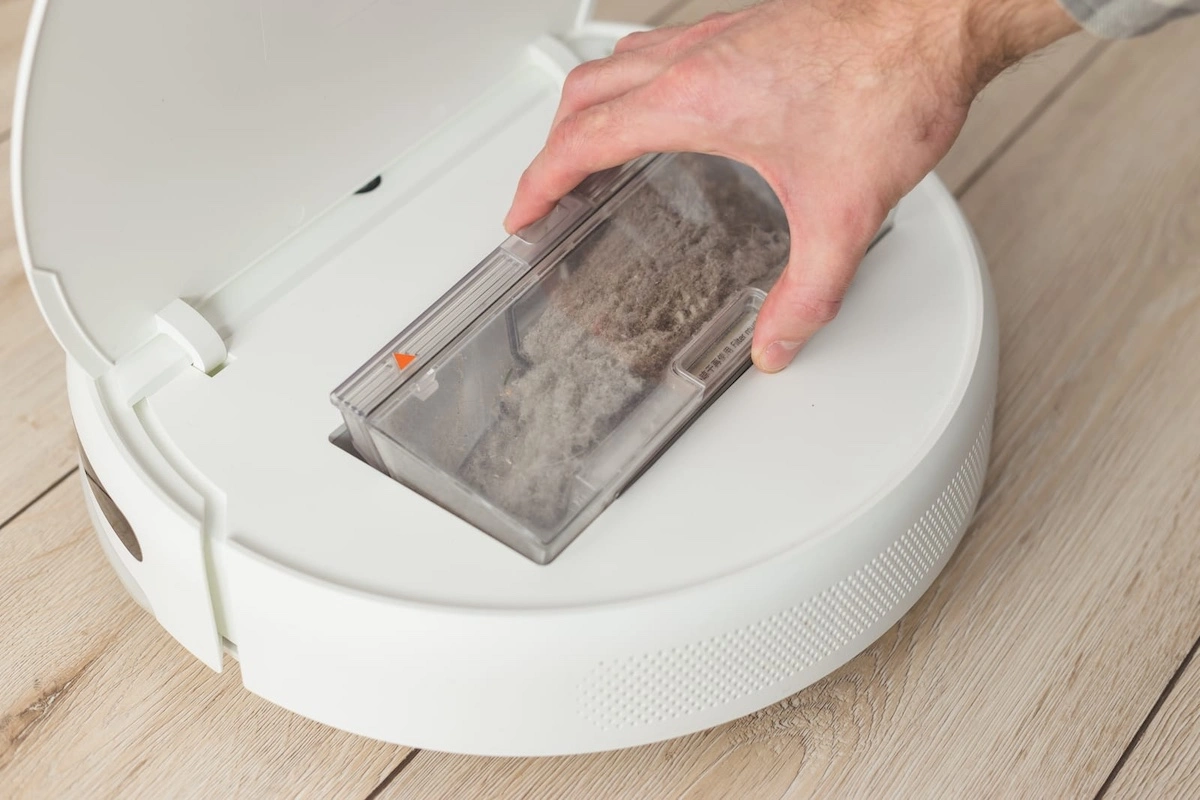
Check filter maintenance access.
A HEPA filter that is hard to reach gets cleaned less often.
Models with front-panel or top-panel dustbin access maintain consistent suction better in practice.
Consider dustbin capacity relative to home size.
A smaller dustbin fills faster, degrading suction sooner per run.
For homes over 1,500 sq ft or with pets, look for a dustbin of 400ml or larger.
Decision Framework: Match Your Home to the Right Pa
- If your home is mostly bare hardwood or LVP, look for 1,500 to 3,000 Pa in standard mode; Pa above 5,000 adds noise without benefit
- If you have medium-to-thick carpet in multiple rooms, 6,000 to 10,000 Pa in standard mode, auto-boost for carpet zones is a must-have; see our best robot vacuum for carpet picks for models that handle this automatically.
- If you have a shedding dog or cat, 8,000 Pa or more in boost mode for carpet; also prioritize rubber-blade brush rolls over bristle brushes; see the best robot vacuums for pet hair for our top picks
- If you have premium hardwood floors, cap suction at 4,000 Pa and disable boost mode on hard floors
- If you run the robot while you sleep, balance Pa with noise rating; most robots above 7,000 Pa in boost exceed 65 dB, which is audible in a quiet home; our quietest robot vacuum guide covers the best options
- If your home is mixed surfaces, prioritize carpet-detect boost; the robot applies the right Pa to the right floor automatically
- If your robot feels weaker than it used to, clean or replace the HEPA filter first; suction loss is almost always a maintenance issue, not hardware failure
- If budget is a constraint, a well-maintained 4,000 Pa robot outperforms a neglected 12,000 Pa one; see our best budget robot vacuums for strong mid-range options
How We Researched This Guide
We reviewed technical documentation from IEC and the EPA, analyzed Pa-to-performance data from independent testing summaries, and cross-referenced suction specifications across 40 robot vacuum models launched between 2020 and 2025.
Our focus was on real-world cleaning outcomes rather than manufacturer spec sheet claims.
For our full method and scoring rubric, see our review methodology.
Practical Examples
600 sq ft apartment, mixed hard floors and one bedroom rug:
A robot at 2,500 Pa in standard mode handles the hard floors easily.
Enable a carpet boost to 5,000 to 6,000 Pa just for the bedroom rug.
Battery impact is minimal; noise stays below 60 dB on tile and hardwood.
2,000 sq ft suburban home, two kids, one dog, mixed carpet and LVP:
This is the sweet spot for a 8,000 to 10,000 Pa robot with auto-boost.
The dog hair on carpet needs real suction; the LVP hallways benefit from quieter standard mode.
Empty the dustbin every one to two days.
A half-full bin drops effective suction by up to 25 percent.
Open-plan 1,200 sq ft condo with polished concrete and area rugs:
Polished concrete has no texture to trap debris, so Pa barely matters here.
A 2,000 Pa robot cleans it as effectively as a 10,000 Pa model.
The area rugs need 5,000 Pa or more.
A robot with carpet-detect handles both surfaces automatically.
Summary: What Pa Ratings Really Tell You
Robot vacuum suction power is one of the most misunderstood specs in home cleaning.
Pa measures the pressure differential at the motor, not the debris that ends up in your dustbin.
The floor type, the brush roll design, the floor seal quality, and your maintenance habits all determine what real-world suction you get.
A 6,000 Pa robot you empty and filter-clean every week will outperform a 15,000 Pa robot running on a clogged filter for months.
Use the Pa ranges in this guide to find a floor-appropriate starting point, then focus on the robot’s brush roll design and dustbin accessibility for everything else.
Frequently Asked Questions
What does Pa mean on a robot vacuum?
Pa stands for Pascal, the SI unit of pressure.
In the context of robot vacuums, Pa measures the pressure differential the motor creates between the inside of the robot and the surrounding air.
A higher Pa means a larger pressure gap and more force pushing air and debris through the floor inlet into the dustbin.
Standard atmospheric pressure is about 101,325 Pa.
A robot vacuum rated at 6,000 Pa creates a pressure gap of roughly 6 percent of atmospheric pressure at its motor.
That sounds small, but it is enough to lift dust, fine particles, and pet hair off most floor surfaces.
The key thing to understand about robot vacuum suction power is that the Pa number is measured at the motor inlet, not at the floor, so real-world suction is typically 20 to 40 percent lower than the advertised figure.
A 6,000 Pa robot delivers closer to 4,000 to 5,000 Pa at the nozzle under normal conditions.
How many Pa do I need for pet hair on carpet?
For light pet shedding on low-pile carpet, 4,000 to 6,000 Pa in standard mode is workable.
For heavy shedding on medium or thick carpet, the kind of daily coat a Labrador, German Shepherd, or golden retriever produces, you need 8,000 to 10,000 Pa in boost mode.
The fibers in medium-pile carpet trap pet hair deep in the pile, and lower suction just moves it around rather than extracting it.
A useful test: run your robot and then check the carpet with a lint roller.
If the roller picks up a meaningful amount after the robot runs, your suction is too low for that surface.
Also prioritize rubber-blade or tangle-free brush rolls alongside Pa.
They extract pet hair from carpet fibers more effectively than bristle brushes, regardless of suction level.
Our full breakdown of the best robot vacuums for pet hair evaluates both Pa and brush roll design together.
Is 6,000 Pa good for a robot vacuum?
6,000 Pa is a solid mid-range rating that handles most home situations well.
On bare hardwood and LVP, it delivers more suction than you need.
On low-pile carpet, 6,000 Pa picks up everyday debris effectively.
Where 6,000 Pa starts to fall short is on medium-to-thick carpet with regular pet hair.
That combination genuinely benefits from 8,000 to 10,000 Pa in boost mode.
The most important context: Pa ratings have inflated significantly since 2020, so a 2024 model at 6,000 Pa may clean no better than a 2021 model at 4,000 Pa from the same brand tier.
Look at the brand’s track record and check whether the model has been independently reviewed for actual debris pickup performance, not just Pa specification.
The Pa number is a starting point for comparison, not a cleaning guarantee.
Why does my robot vacuum lose suction over time?
Almost always, declining suction comes down to maintenance, not hardware failure.
The two biggest causes are a clogged filter and a full or partially blocked dustbin.
A HEPA filter that has not been cleaned or replaced traps fine particles that restrict airflow and can reduce effective suction by up to 50 percent.
A half-full dustbin restricts the airflow space available for debris and can cut suction by 15 to 25 percent.
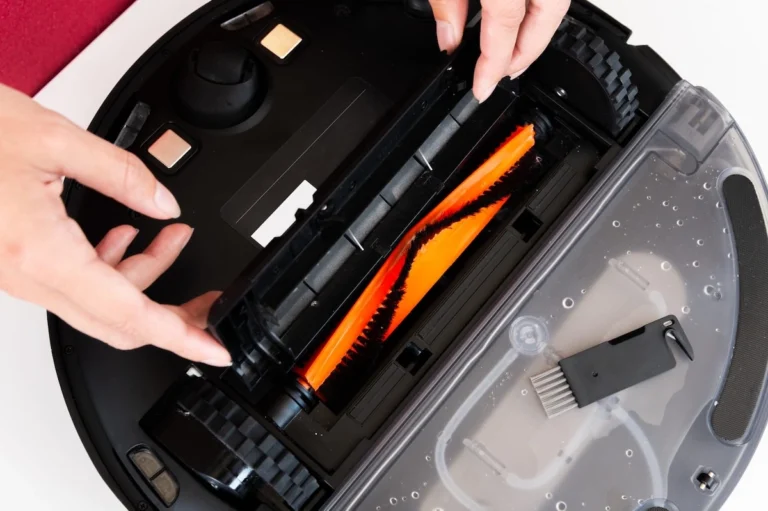
Beyond filtration, check for debris wrapped around the brush roll.
Tangled hair and thread force the motor to work harder and indirectly reduce suction efficiency, which is why a routine maintenance schedule matters as much as raw Pa ratings.
Clean the brush roll, tap out or replace the filter, and empty the dustbin completely.
In most cases, this restores suction to near-original levels.
If suction loss continues after full maintenance, inspect the dustbin seal and the air path for cracks or loose-fitting components before assuming motor failure.
Can too much suction damage hardwood or LVP floors?
Direct floor damage from suction alone is rare on sealed hardwood and LVP.
However, there are two real risks at very high Pa settings on hard floors.
First, excessive suction creates negative pressure that can lift the edges of area rugs and pull them toward the robot.
If a rug edge gets caught in the brush roll, it can damage both the rug and the robot.
Second, high suction combined with stiff brush bristles presses the brush roll more firmly against the floor surface.
Over months of daily use, this can leave micro-scratching on high-gloss finishes.
For premium hardwood (oil-finished, hand-scraped, or high-gloss lacquered), a suction cap of 3,000 to 4,000 Pa and a soft rubber or microfiber mop attachment is the safer combination.
LVP floors are more durable and generally tolerant of up to 6,000 Pa without visible damage.
How do I know if a robot vacuum’s Pa rating is real or just marketing?
You cannot fully verify it without independent lab testing, but you can calibrate your expectations.
First, understand that there is no mandatory third-party testing protocol for robot vacuum Pa ratings.
Manufacturers self-report.
Second, look for robots from brands that publish cleaning efficiency data or energy consumption figures alongside Pa.
That transparency suggests more rigorous internal testing.
Third, check whether the Pa figure is the standard mode or boost mode number.
Some brands list only the peak.
Fourth, look for real-world debris pickup data in published engineering reviews or third-party cleaning tests.
A robot’s debris pickup rate on standardized carpet test strips is far more meaningful than its peak Pa claim.
Finally, context matters: a brand that claimed 4,000 Pa in 2020 and now claims 18,000 Pa for a similar motor class deserves scrutiny.
The best robot vacuums earn their reputation through consistent real-world performance across many users, not through specification escalation.
Related Guides and Product Picks
Now that you understand how robot vacuum suction power and Pa ratings work, you can apply that knowledge when choosing your next robot.
Our best robot vacuum roundup evaluates each model with suction performance in mind.
If you’re still figuring out how suction fits alongside navigation, filtration, and brush design, our robot vacuum buying guide covers the complete decision framework.
If you also own an air purifier, the same kind of spec-sheet confusion applies to CADR ratings.
Our CADR explainer walks through an identical consumer literacy problem in a different product category.
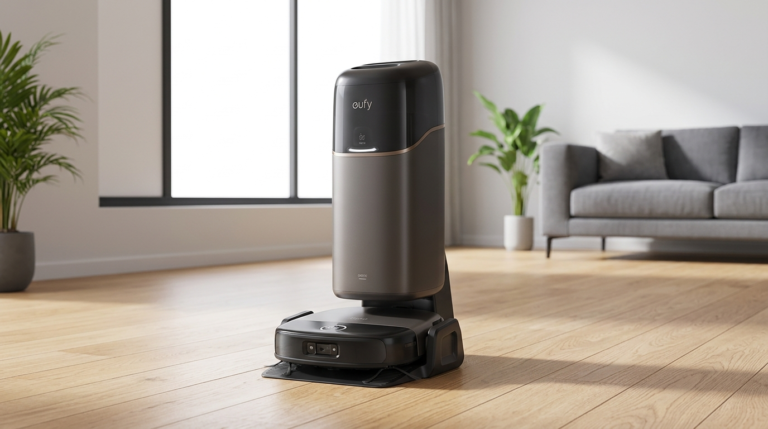
For a real-world example of how a Pa rating actually translates into cleaning results, our eufy Omni S2 review found independently tested carpet sand pickup jump to roughly 87% at 30,000Pa, up from about 61% on the prior generation.
Explore all our vacuum coverage on the Vacuum Cleaners category page or browse the full EverydayHomeComfort home page to find guides across every home comfort category.